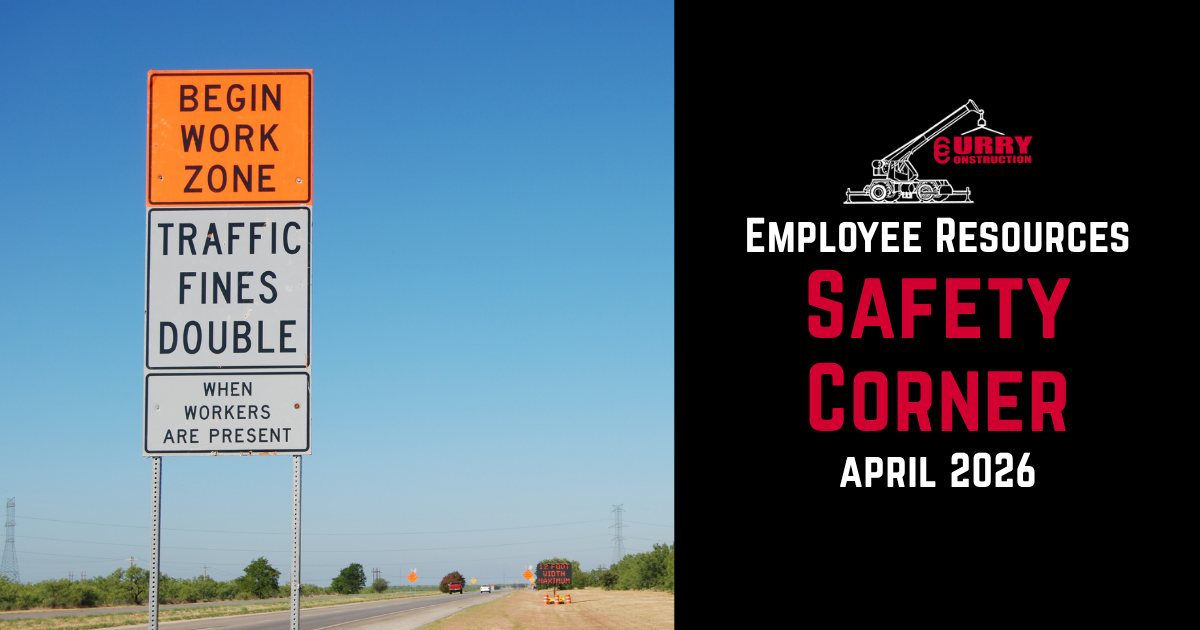
Our April Theme: National Work Zone Awareness Week – Stay Alert On & Off the Job
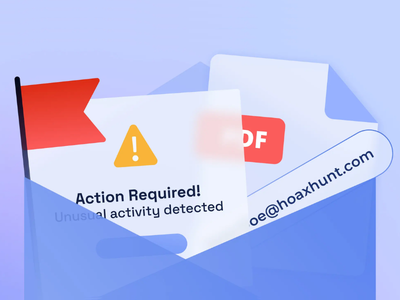
On the jobsite, staying alert keeps you and your crew safe. Online, the same awareness can keep you from getting burned. Scammers are getting smarter—using texts, calls, emails, and fake job offers to trick people into handing over money or personal information. Just like in a work zone, one wrong move can lead to serious consequences. This April, take a minute to sharpen your awareness and know what to look for before you click, answer, or respond.
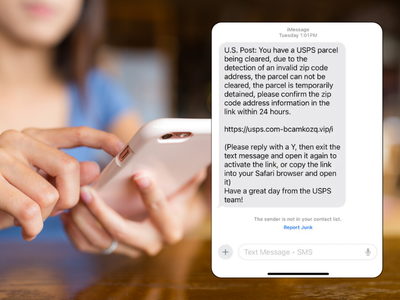
Identify Scam Texts and Calls
If something feels off, it usually is:
Watch for urgency: Messages claiming “act now” or “your account will be locked” are designed to pressure you.
Unknown numbers or odd emails: Especially ones asking for personal or financial information.
Too good to be true offers: Prizes, refunds, or deals you didn’t sign up for.
Robocalls or spoofed numbers: Even if it looks local, don’t trust it without verifying.
Watch Out for Suspicious Offers and Other Links
Scammers know people are always looking for opportunities—they go after anyone willing to click without thinking:
Don’t fall for the “too good to be true” messages: Winning a free tropical paradise trip, gift cards, or prizes you never entered for is a common trap.
Be cautious of unsolicited job offers via text message: Especially ones promising high pay for little work or asking you to “apply” through a link.
Avoid clicking unknown or unexpected links: Whether it’s a text or email, these can install malware or steal your information
Verify before you trust: Look up companies, promotions, or offers directly—don’t rely on the message you received.
Watch for sloppy details: Poor grammar, strange formatting, or generic messaging are clear warning signs.
Stop and Think Before You Click
A few seconds of caution can save a lot of trouble:
Hover over links (on computers): See where they actually lead before clicking.
Go directly to trusted websites: Instead of using links sent to you.
Don’t download unexpected attachments: Especially from unknown senders.
When in doubt, verify: Call or contact the source using a known, trusted method.
Quick Builder’s Scam Awareness Checklist
Question urgent or unexpected messages
Avoid clicking unknown links or attachments
Verify sources, or access through known channels
Never share personal or financial information without confirming legitimacy
Bottom line: The same mindset that keeps you safe in a work zone applies online—stay alert, follow proven practices, and don’t rush decisions. One careless click can cause real damage. Take the extra second, check your surroundings, and don’t get burned.
march 2026 Curry Construction All Employee Meeting
On Tuesday, March 24, 2026, Curry Construction employees came together for another All Employee Meeting focused on reinforcing standards, improving communication, and recognizing the people doing the work the right way. From field execution to office support, the message was consistent: details matter, and accountability drives results.
Here’s a full recap of what was covered — and recognized.
Lunch & Networking
The meeting kicked off with a taco bar lunch prepared by Josh Harner, giving everyone a chance to sit down, catch up, and connect across departments. These moments matter — strong teams aren’t built just on job performance, but on relationships.
Introduction & Company Updates – John Curry
John Curry opened the meeting with a straightforward update:
Verizon Driver Score remains at 96
That number doesn’t happen by accident. It reflects consistent awareness, discipline, and professionalism behind the wheel. The expectation is simple — maintain it.
Hard Hat Hotline Recognition
The meeting continued with peer-to-peer recognition — highlighting employees who are setting the standard:
Caterpillar Team – Consistently delivering quality work (submitted by Jason Hetzel)
W-Building Sprinkler Expansion Team – Excellent execution and completion (submitted by Kevin Moran)
Justin Chaney – Professional attitude and strong work ethic on W-Building equipment repairs (submitted by Josh Cummins)
Amber Seip – Recognition for earning her SHRM-CP certification, demonstrating commitment to professional growth
Tony Sproles – Completion of the OSHA 500 Course, strengthening leadership in safety training
If you see someone doing the job right — say it. Recognition reinforces the standard.
Bringing in the right people matters. Expectations are clear — contribute, communicate, and uphold the standard from day one.
Injury-Free Workdays Discussion
A correction and clarification were made regarding injury-free workday tracking since the last meeting.
The takeaway: tracking only matters if it’s accurate. Numbers should reflect reality — not assumptions. Safety performance starts with honest reporting.
Hydro-Testing Policy Review
A refresher was provided on hydro-testing procedures — a critical part of ensuring system integrity.
Hydro-testing is defined as: Verifying the strength and leak-tightness of a system by pressurizing it with water or an approved liquid to a specified pressure.
Key Requirements:
Hydrostatic testing is the standard method for verifying system integrity
Testing must meet specified pressure requirements
Proper documentation is required for verification
Systems must be inspected thoroughly before and after testing
Pneumatic testing is NOT permitted as a substitute unless explicitly approved by Curry Construction ownership
Shortcuts here create risk. Do it right — every time.
Ramsey Program Update & Prizes – Lindsey Vandermeer
The Ramsey program continues to drive financial discipline and engagement across the company.
Prize Winners
Triston Overton
John Slifer
Jimmy Wickiser
Matt Heuerman
Kevin Moran
Participation isn’t just about prizes — it’s about building long-term financial stability.
Operations Update
Assignar implementation continues moving forward, with a focus on improving scheduling visibility and communication.
Key Updates:
Two-week schedules will be pushed out starting this week
If you are not on the schedule, respond directly to the Assignar text notification
Moving forward, schedule changes will trigger automatic notifications
Project Managers will have full visibility into all assigned projects
“Send Message” feature routes directly through Assignar to Operations
The goal is simple: eliminate confusion and reduce downtime. If something looks off — speak up immediately.
Work Orders: Group Discussion
Led by Amber Seip and Madison Stoltz, this discussion addressed ongoing issues with work order accuracy.
Payroll Impact
Employees must properly clock in and out
Time accuracy affects pay — no exceptions
Billing Impact
Work orders are not just paperwork — they are legal and financial records.
Common issues:
Missing or incorrect hours
Equipment not listed
Vague descriptions (“worked on site”)
Incomplete material tracking
Estimating Impact
Estimating relies on historical data from completed jobs. Bad information leads to bad bids.
Simple Rule: If someone who wasn’t there can read your work order and fully understand the job — you did it right. If not, fix it.
Safety Policy Review – Job Safety Analysis (JSA)
Tony Sproles reinforced a non-negotiable requirement:
A JSA must be completed before any work begins.
Key Expectations
JSAs are a pre-task planning tool to identify hazards and controls
Superintendents, Foremen, and Project Managers are responsible for involvement — but everyone participates
JSAs must be discussed before starting work
If conditions change, the JSA must be updated accordingly
JSAs are required even for emergency work
Participation isn’t optional. It shows respect for your crew and a commitment to doing the job safely.
Asset Management
Drew reviewed how Verizon Connect AI Dash Cameras function and outlined upcoming audit expectations.
Upcoming Deadlines:
March 27: Soft audit completion for company vehicle drivers
April 3: Jobsite audits completed
These audits are about accountability — knowing where equipment is, how it’s used, and ensuring it’s properly maintained.
Attendance Prize Winners
Congratulations to this month’s winners!

Morgan’s Meat Market
Tom Bolyard
Tony Sproles
Texas Roadhouse
Abigail Pettry
Danny Chumbley
Bass Pro Shop:
Elizabeth Marshall
John Riech
Zillions
Jeremy Williamson
Amber Seip
Starbucks:
Bobby Timman
Buffalo Wild Wings
Aaron Beck
Paid Day Off Card:
Auston Rowe
Oscar Rivera-Castillo
What’s Next? Mark Your Calendars
Thank you to everyone who attended and participated. These meetings aren’t just updates — they’re alignment. When everyone understands expectations, tools, and safety standards, the company operates stronger and smarter.
Watch for communication regarding the April All-Employee Meeting.
As always, attendance is required to ensure everyone stays in the loop on key safety and operational updates.
Thank you for your continued commitment to safety, teamwork, and excellence. See you in April!
📌 Effective September 1, 2025, employees who have previously won a as part of the All Employee Meeting Attendance Drawings will be ineligible to win additional cards for the remainder of the calendar year.
📌 Reminder: To be eligible for Attendance Door Prize Drawings, you must attend the meeting and sign the sign-in sheet.
Spring Clean Your Finances: Reset, Refocus, Rebuild
A Practical Financial Tune-Up for the Season Ahead
This April, there’s even more reason to take control of your finances. Through Curry Construction’s SmartDollar benefit from Ramsey Solutions, employees have a chance to win $1,000—just by taking a simple step toward improving their financial knowledge.
This April, watch one video or read one article in SmartDollar for a chance to win $1,000. For official giveaway rules, go to smartdollar.com/giveaway-rules#finlit2026
Spring is about cleaning things up and getting back on track—and your finances are no different. If the first few months of the year didn’t go exactly as planned, now is the time to reset your habits, tighten up your budget, and build momentum heading into summer.
Clean Up Your Budget and Cut the Waste
Just like a cluttered jobsite slows down progress, a messy budget wastes money. Start by identifying where your money is slipping through the cracks.
Small adjustments here add up fast. Packing your lunch or cutting out unnecessary spending during the week can free up hundreds of dollars over the course of a month.
Build (or Rebuild) Your Emergency Fund
If you don’t have cash set aside, you’re one unexpected expense away from going backwards. That’s not a position you want to be in.
Putting aside a little each week is a lot easier than scrambling when the bill shows up.
Quick Builder’s Spring Financial Checklist
Review your current budget and cut unnecessary expenses
Pack lunches and reduce weekly food spending
Start or rebuild your emergency fund ($500–$1,000 goal)
Choose one savings method and stay consistent
Set up a sinking fund for upcoming summer costs
Take advantage of SmartDollar resources (and enter the $1,000 giveaway)
Track your spending weekly to stay accountable
Bottomline: Spring doesn’t wait—and neither should you. Financial stress usually comes from a lack of planning, not a lack of income. Clean things up now, get disciplined with your habits, and put yourself in a stronger position heading into the rest of 2026.
SmartDollar is there to guide you—but it’s up to you to use it.
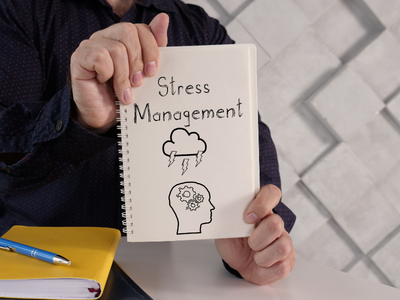
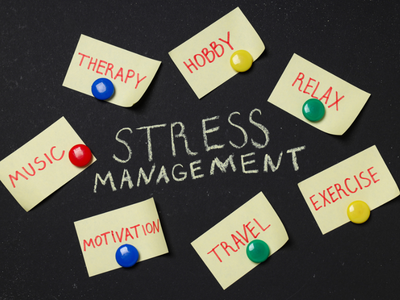
Spring brings longer days—and for construction, that usually means a faster pace, tighter schedules, and more pressure to get things done. A certain amount of stress comes with the job, but too much of it leads to mistakes, fatigue, and burnout. April is National Stress Awareness Month, a good reminder that managing stress isn’t optional—it’s part of staying safe, productive, and healthy on and off the job.
Managing Job Stress in the Real World
You can’t eliminate stress, but you can control how you handle it.
Focus on what you can control: Weather, schedules, and other people aren’t always in your hands—your response is.
Break tasks down: Big jobs feel overwhelming; smaller steps keep things manageable.
Communicate early: Speak up about issues before they turn into bigger problems.
Take short resets: Even a couple minutes to step away can clear your head and prevent costly mistakes.
Simple Breathing Techniques That Work
When stress spikes, your breathing is the fastest way to get it under control.
Box breathing: Inhale for 4 seconds, hold for 4, exhale for 4, hold for 4—repeat a few times.
Slow it down: Deep, steady breaths lower heart rate and calm your body.
Use it anywhere: In the truck, on a break, or before a tough task—no equipment needed.
Stay consistent: It works best when you make it a habit, not just in high-stress moments.
Work/Life Balance—Keep It Practical
Balance doesn’t mean perfect—it means sustainable.
Set a cutoff time: When the workday ends, let it end when possible.
Make time for home life: Family, hobbies, and downtime aren’t extras—they’re necessary.
Protect your sleep: Long hours don’t mean cutting corners on rest.
Don’t carry everything alone: Talk things out with family, coworkers, or someone you trust.
Warning Signs You Shouldn’t Ignore
Too much stress shows up whether you like it or not.
Constant fatigue or trouble sleeping
Short temper or irritability
Trouble focusing or making decisions
Headaches, muscle tension, or feeling run down
If these stick around, it’s time to make changes or talk to a doctor.
Quick Builder’s Nutrition Checklist
Take short breaks to reset during the day
Use simple breathing techniques to stay calm
Focus on one task at a time
Set boundaries between work and home
Get enough sleep to recover
Bottom Line: Stress is part of the job—but letting it run unchecked is where problems start. Staying in control of your stress keeps you sharper, safer, and more reliable. Build habits that help you handle the pressure now, and you’ll hold up better through the busiest times—on the job and at home.
April Theme: National Work Zone Awareness Week (April 6-10)
Most Curry Construction employees aren’t working traffic control—but they are driving through it. Work zones are one of the most dangerous places on the road, and the risks go both ways. Crews are working just feet away from moving vehicles, and one careless driver can cause serious damage in seconds. This April, it’s about getting back to the basics of responsible driving and respecting the work zone.
Driving safely through work zones
Work zones are not the place to rush or multitask.
Slow down and follow posted speeds: Speed limits are reduced for a reason—conditions change quickly.
Eliminate distractions: Put the phone down and focus on the road.
Follow flaggers and signage: They’re directing traffic to keep everyone moving safely.
Maintain extra following distance: Sudden stops are common in work zones.
Stay Alert and Expect the Unexpected
Work zones don’t operate like normal traffic patterns.
Watch for lane shifts and narrowed lanes: Stay centered and avoid drifting.
Be prepared for stopped traffic: Backups can appear quickly.
Look for workers and equipment: People and machines may be closer to traffic than expected.
Merge early and correctly: Last-second moves increase risk for everyone.
Respect the People Doing the Work
There are real people on the other side of those cones.
Give crews space: Stay as far from workers and equipment as possible.
Do not speed up through the zone: It doesn’t save time—it increases risk.
Stay patient: Delays are temporary; injuries can be permanent.
Be predictable: Sudden braking or swerving creates hazards for others.
Quick Builder’s Work Zone Driving Checklist
Slow down and follow all posted work zone speeds
Stay focused—no distractions behind the wheel
Maintain safe distance and be prepared for sudden stops
Respect workers, equipment, and changing traffic patterns
Bottom line:Work zones demand your full attention. You may not be the one on the ground, but your driving decisions still impact the people who are. Slow down, stay alert, and drive like someone’s life depends on it—because it does.
Tax season isn’t exciting—but it is important. Just like a jobsite, the work goes smoother when you plan ahead, use the right tools, and follow a clear process. Filing your taxes correctly and on time protects your income, avoids penalties, and can even put money back in your pocket.
Through Curry Construction’s free Ramsey SmartDollar benefit from Ramsey Solutions, employees have access to practical, no-nonsense tax guidance to help you handle this season with confidence.
Here’s how to approach it the right way.
Know the basics before you start
If you’re unsure where to begin, start with a simple overview:
Understanding what counts as taxable income, how federal income tax works, and how payroll withholdings affect what you owe makes a big difference. If you’ve ever asked, “Why do I owe taxes this year?”— there’s a reason.
If you’re expecting a refund, have a plan for it. A refund isn’t “free money”— it’s your money coming back because you overpaid. Smart moves include:
Paying down debt
Building your emergency fund
Catching up on necessary repairs
Investing for long-term growth
Use it with intention.
Quick builder’s tax season checklist
Review last year’s return for reference
Gather all required documents
Verify your filing status
Check eligibility for credits and deductions
Confirm withholdings for 2026 adjustments
File before the deadline
Create a plan for any refund
Set a reminder to review your W-4 for the rest of the year
Bottomline: Taxes aren’t optional— but stress is. Approach this season the same way you approach a project: prepare thoroughly, follow the plan, and finish strong.
Ramsey SmartDollar resources are available to every Curry Construction employee. Take advantage of them. Handle your taxes correctly now, and you’ll protect your income and position yourself for a stronger financial year ahead.
FEBRUARY 2026 Curry Construction All Employee Meeting

On Friday, February 20, 2026, Curry Construction employees gathered for another focused and forward-moving All Employee Meeting. From operational improvements and policy reminders to safety training and technology updates, the afternoon reinforced what keeps this company strong: accountability, communication, and looking out for one another.
Here’s a full recap of what was covered — and celebrated.
Lunch & Networking
The meeting kicked off at 12:30PM with lunch, giving crews, shop employees, office staff, and field leaders the opportunity to sit down together before diving into updates. Time spent connecting across departments matters. Strong communication doesn’t start in the field — it starts with relationships.
General Updates
At 1:00PM, John Curry opened the meeting with company-wide updates.
Company Truck Cameras & Driving Performance
The average company driving score currently sits at an impressive 96%. That number reflects professionalism behind the wheel. Safe driving protects employees, the public, and the company. Keep it there—or improve it!
Hard Hat Hotline Recognition
There were no Hard Hat Hotline recognitions to share for February.
Accidents happen, especially in rural areas. If a deer or animal strike occurs, follow protocol immediately and report it properly. Documentation protects both the driver and the company.
Business Closures & Holiday Schedule
Paid Holidays for 2026:
New Year’s Day (January 1)
Memorial Day (May 25)
Independence Day (Observed on July 3)
Labor Day (September 7)
Thanksgiving (November 26)
Christmas (December 25)
Additional Unpaid Closures:
Day After Thanksgiving (November 27)
December 28-31 (week between Christmas & New Year’s)
Important Reminder: PTO Requests must be submitted up to one week before a holiday or closure, if you would like to use PTO to be paid on an unpaid closure.
Benefits Update
Lindsey provided updates on employee benefits and participation programs.
Boot Reimbursement
17 Boot Reimbursements have already been submitted. This benefit exists to support proper PPE. If you haven’t submitted yours, don’t leave money on the table.
Dave Ramsey Program Update
Participation in the Ramsey financial wellness program remains strong:
43% Employee Participation
3,100+ Activities Completed
$16,800+ Debt Paid Off
That’s real progress. Financial stability at home strengthens focus and performance at work. March incentives are coming—stay engaged!
Estimating Update
Mike discussed the importance of generating new construction leads—and emphasized that leads don’t just come from the office or sales calls.
Opportunities often start with conversations in the field, in the community, or through long-standing relationships. If you see something developing, speak up. Growth has always been built on relationships and reputation.
Operations Update
The major operational focus: Assignar— a new tool designed to streamline scheduling, communication, and site documentation.
What Assignar Will Do
The goal is simple: better planning and better execution.
Key Features
Jobsite Map and address visibility
Detailed Task Breakdowns
Notes section with attached instructions
Work Order Information
“Team” tab showing everyone assigned to the task
Clickable Employee Contact Information (helpful for coordination of carpooling)
Assigned roles (Operator, Welder, etc.)
Shift time visibility
Notification tab for new assignments
The objective is to
Improve planning
Increase scheduling accuracy
Document activity
Reduce inefficiencies
The target rollout is the first week of March, with schedules pushed out two weeks at a time. That level of visibility helps everyone prepare, not react.
Safety Training
Tony Sproles led a critical safety discussion on ergonomics in construction.
28% of construction injuries are related to poor ergonomics and improper lifting.
Key reminders
Maintain a neutral spine
Lift with your legs
Avoid overreaching
Keep wrists neutral
Use material handling equipment
Perform tandem lifts when needed
Communicate during lifts
Preparation matters
Stretch before starting work
Check your path of travel
Adjust work heights to waist level when possible
Most strains don’t happen because the job is heavy—they happen because we rush or take shortcuts. Do it right the first time.
Kevin Moran addressed a topic that deserves serious attention: impairment in the workplace.
According to the National Safety Council, impairment is not limited to substance misuse. It includes:
Alcohol
Opioids
Cannabis
Fatigue
Physical Stress
Mental Stress
Impairment is any condition that prevents someone from functioning safely. Recognize it. Address it. Speak up. Safety depends on clarity—physically and mentally.
Brian Stephens delivered a direct reminder: electricity demands respect.
Basic electrical safety includes:
Avoiding contact with live wires
Keeping water and electricity separate
Using GFCIs
Unplugging tools by the plug—not the cord
Inspecting cords before use
Following Lock Out / Tag Out procedures
Effects of electrical shock may include:
Headaches
Muscle spasms
Temporary unconsciousness
Breathing difficulty
Severe consequences can include:
Burnes
Brain damage
Cardiac arrest
Death
First Aid Reminders
Do NOT touch the person while they are still connected to the electrical current source.
Call 911
Separate them from the current source
Perform CPR if necessary
If you are not trained to perform electrical work—DO NOT DO IT. Period.
Asset Management
Drew Endsley led a Q&A session regarding Verizon Reveal AI Cameras and Asset Tracking. Transparency and accountability in equipment use protects company resources and improves operational efficiency.
Attendance Prize Winners
Congratulations to this month’s winners!
Zillions:
Xavier Muzzy
Corey Suckley
Jason Hetzel
Austin Baker
Texas Roadhouse
John Fleming
Fred Leonard
Guillermo Gonzalez
Starbucks:
Brad McFall
Bass Pro Shop:
Max Dulong
Home Depot:
Jim Wolfe
Paid Day Off Card:
Gunnar Gottman
Eduardo Alcala
What’s Next? Mark Your Calendars
Thank you to everyone who attended and participated. These meetings aren’t just updates — they’re alignment. When everyone understands expectations, tools, and safety standards, the company operates stronger and smarter.
Watch for communication regarding the MarchAll-Employee Meeting.
As always, attendance is required to ensure everyone stays in the loop on key safety and operational updates.
Thank you for your continued commitment to safety, teamwork, and excellence. See you in February!
📌 Effective September 1, 2025, employees who have previously won a as part of the All Employee Meeting Attendance Drawings will be ineligible to win additional cards for the remainder of the calendar year.
📌 Reminder: To be eligible for Attendance Door Prize Drawings, you must attend the meeting and sign the sign-in sheet.
As projects ramp up with the warmer weather, so does the amount of work performed off the ground. Ladders and lifts are part of the job—but falls remain one of the leading causes of serious injuries in construction. Most of them trace back to the same issues: poor setup, skipped tie-offs, and rushing the task. Spring is the right time to reset expectations and recommit to doing it the safe way—every time.
PROPER LADDER SETUP
A ladder is only as safe as the way it’s set up.
Choose the right ladder for the job: Height rating and weight capacity matter. Don’t make do with what’s nearby.
Inspect before use: Check rails, rungs, feet, and locks. If it’s cracked, bent, or loose—tag it out.
Set extension ladders correctly: Follow the 4-to-1 rule (1 foot out for every 4 feet up).
Secure the ladder: Tie off at the top when possible and ensure stable footing at the base. If unable to secure ladder above, a second person must be present to secure the ladder at the bottom.
Maintain three points of contact: Two hands, and one foot—or two feet and one hand—at all times.
LIFT AND HARNESS BASICS
Wear fall protection: A properly fitted harness connected to an approved anchor point is not optional. A Fall Protection Harness must be on any individual, who is working at height, and properly secured before entering lift equipment and remain on until they have fully exited the equipment at the completion of the task.
Inspect harnesses and lanyards: Look for fraying, cuts, damaged stitching, or worn hardware before every use.
Stay inside the guardrails: Don’t climb on rails or use planks to gain extra height.
Position the lift on stable ground: Uneven or soft surfaces increase tip-over risk.
Avoiding falls: no shortcuts
Falls happen fast—and usually when someone thinks, “This will just take a second.”
Don’t overreach: Climb down and move the ladder or reposition the lift.
Keep work areas clear: Tools and materials at the base of ladders create trip hazards.
Wear proper footwear: Good traction reduces slips on rungs and platforms.
Take your time: Most fall incidents involve rushing or complacency.
Quick Builder’s SPRING Safety Checklist
Inspect ladders, lifts, and fall protection before use
Set ladders correctly and secure them properly
Wear and connect harnesses when working at heights
Never rush elevated work—reposition instead of overreaching
Bottom line:Gravity hasn’t changed, and neither have the fundamentals. The safest crews are the ones who stick to the basics—proper setup, proper tie-off, and no shortcuts. As we move into spring, reset your focus and work at heights the right way. One safe decision at a time.
Spring is when we clear out the shop, organize the trailer, and get equipment ready for the busy season. Your devices deserve the same attention. Phones, laptops, and tablets collect clutter over time—unused apps, outdated software, duplicate photos, and old downloads that slow performance and create security risks. March is the perfect time to clean house digitally so your tech works as hard as you do.
UPDATE YOUR DEVICES
Outdated software and security updates are more than an inconvenience—it’s a security risk:
System Updates: Company computers have managed system updates. BUT those updates are unable to deploy, if your device is regularly “offline”. Whether powered down/off, or simply not connected to the internet. Make it a habit, if you have a company laptop, to bring it into the office with you each time. This helps prevent being locked out of your computer at a jobsite due to missing security checkpoints.
Update apps regularly: If you see or receive a notification on Outlook or a regularly used application to “Update” and have been having issues out of the blue. The older application version is likely the issue. Updates are typically sent out to resolve known glitches or vulnerabilities.
Restart devices after updates: Installing an update is simply not enough. Many times those updates do not fully execute unless your computer is restarted. Restarting your computer clears the “short-term” memory on the computer. Think of restarting your computer, like getting 8-hours of sleep, reaction and mental processing are better.
CLEAR OUT DIGITAL CLUTTER
Unused files take up space and slow things down:
Ask to have old or unused applications removed: If there are applications you do not or no longer use, send in an IT request to have them removed.
Examples include: Microsoft Publisher, Microsoft News, Microsoft Weather, Adobe Acrobat Pro XI
Clean out downloads folder: Old PDFs, attachments, and installers pile up fast. Make it a habit to go through once a month and move files that need to be retained to their proper save location and to delete everything else.
Empty the recycling bin/trash: Make it a habit to once a month empty your Recycling Bin on your Computer’s Desktop to completely free up computer storage space of files that are no longer needed.
Organize and secure important files
A clean system is a secure system—and that starts with saving files in the right place:
DO NOT save files to your Desktop or Downloads Folder: These locations are considered “local storage” and quickly become easily cluttered and are not approved for long-term storage. Files saved to these locations are more likely to be lost, missed in backups, accidently deleted, or inaccessible to other team members in the event an employee is absent.
Use and follow established server folder structure: Save all work-related documents in the designated department or project folders on the secure server—where they are properly backed up, protected, and organized so the right team members can access them without wasting time searching.
Use clear consistent file names: Avoid vague titles or file names like “Document 1” or “Scan”. Name files clearly and concisely based on Project, Date, and Content. If a specific file or file type has an established naming protocol use it.
Quick Builder’s Spring tech Checklist
Install all pending device and app updates
Delete unused apps and old downloads
Clean up old files, photos, duplicates, etc.
Utilize appropriate folders and folder structures to save documents
Bottom line: Just like maintaining equipment on the jobsite, maintaining your devices prevents breakdowns and security problems. A little time spent cleaning up and updating now will keep your tech running efficiently through the busy season ahead.
Longer days and warmer weather mean higher energy demands on the job. What you eat and drink plays a bigger role than most people realize—especially as we move out of winter and into spring. March is National Nutrition Month, a good reminder that smart fuel choices help you stay sharp, strong, and safe on the job. You don’t need perfection—just better habits that hold up in the real world.
Smart Snacks for the jobsite
Snacking isn’t the problem—what you snack on is.
Choose protein + carbs: This combo keeps energy steady and prevents crashes.
Portable options that work: Nuts, trail mix, jerky, cheese sticks, yogurt, fruit, hard-boiled eggs, protein bars.
Limit sugar spikes: Candy and pastries give quick energy followed by a hard crash.
Plan ahead: Keep snacks in your truck or lunchbox so you’re not stuck with whatever’s available.
Building Balanced Meals
You don’t need a special diet—just a solid foundation.
Half the plate plants: Fruits and vegetables provide vitamins, fiber, and hydration.
Lean protein matters: Chicken, fish, eggs, beans, and lean beef help with muscle repair and endurance.
Watch portions: Eating too much at lunch can leave you sluggish for the afternoon.
Hydration as temperatures rise
As the weather warms, dehydration sneaks up fast.
Start early: Drink water before you feel thirsty.
Carry a bottle: Easy access means you’ll drink more without thinking about it.
Balance caffeine: Coffee and energy drinks don’t replace water.
Add electrolytes when needed: Especially on long, hot, or high-sweat days.
Small habits that boost energy
Consistency beats motivation every time.
Eat regularly: Skipping meals kills focus and stamina.
Fuel the night before: Dinner sets you up for the next day.
Sleep counts: Poor sleep cancels out good nutrition.
Listen to your body: Fatigue and dizziness are warning signs—not something to push through.
Quick Builder’s Nutrition Checklist
✔ Pack jobsite-friendly snacks
✔ Eat balanced meals—not just heavy lunches
✔ Drink water all day, not just at breaks
✔ Adjust intake as temperatures rise
✔ Refuel properly for the next day
Bottom Line: Spring is about momentum. Fueling your body with better food and enough water keeps energy steady, reduces mistakes, and helps you finish strong. Build smart nutrition habits now—they’ll carry you through the busy months ahead, on the job and at home.