
SAFETY CORNER
SEPTEMBER 2026
Emergency Ready – Storm & Disaster Prep
September Theme: National Preparedness Month
Emergencies rarely happen at a convenient time. Severe storms, power outages, flooding, tornadoes, and other disasters can disrupt daily life with little warning. Being prepared before something happens can make all the difference when roads are blocked, power is out, or normal communication is disrupted. This September, Curry Construction is encouraging employees and their families to take a few simple steps to be ready before an emergency strikes.
Build an Emergency Kit
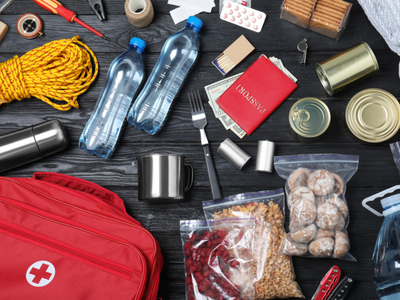
When the power goes out or you need to leave home quickly, having the essentials already together can save time and reduce stress.
- Stock the basics: Keep water, nonperishable food, flashlights, batteries, a first-aid kit, and necessary medications readily available.
- Keep devices charged: Have backup power banks available for phones and other critical devices.
- Include important supplies: Blankets, a battery-powered or hand-crank radio, basic tools, and personal hygiene items can be valuable during extended outages.
- Check your kit regularly: Replace expired food, dead batteries, and outdated supplies so everything is ready when you need it.
Review Your Family Emergency Plan

A plan made ahead of time is much easier to follow when things get chaotic.
- Know where to go: Identify the safest locations in your home for tornadoes, severe storms, and other emergencies.
- Choose a meeting place: Establish a location where family members can meet if you become separated.
- Know how to contact each other: Make sure everyone has important phone numbers and knows who to call if local communication is disrupted.
- Plan for pets: Include food, water, medications, and transportation plans for pets in your emergency preparations.
Stay Informed and Follow Alerts
The earlier you know about a developing emergency, the more time you have to act.
- Enable emergency alerts: Make sure weather and emergency notifications are turned on for your phone.
- Monitor reliable information: Use local emergency management agencies, weather services, and official alerts for updates.
- Keep a weather radio available: It can provide critical information when the power or cellular service is unavailable.
- Take warnings seriously: If authorities recommend sheltering or evacuation, don’t wait until conditions become dangerous.
Quick Builder’s Emergency Preparedness Checklist

- Keep phones and backup power sources charged
- Review emergency plans and meeting locations with your family
- Enable emergency and severe weather alerts
- Include pets and other family needs in your emergency plan
- Know where to shelter and when to evacuate
- Stock an emergency kit with food, water, lighting, first-aid supplies, and batteries
Bottom line: You can’t control when an emergency happens, but you can control how prepared you are. A stocked emergency kit, a family plan, and reliable alerts can turn a stressful situation into one you can handle. Take some time this September to prepare before you need to—and make sure your family is ready to respond when it matters most.
DATE POSTED
POSTED BY