

YOUR MONEY TOOLBOX
SEPTEMBER 2026
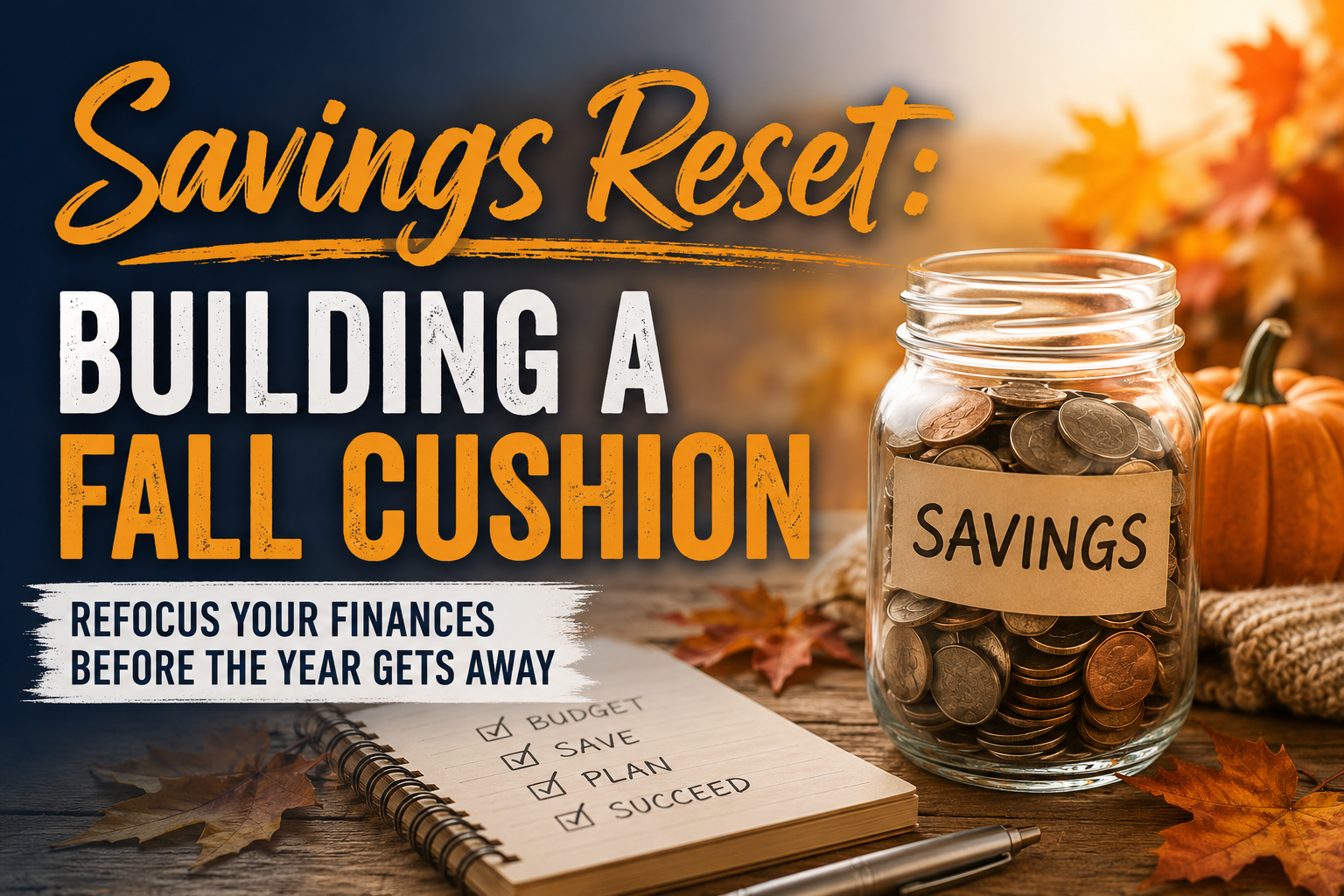
Savings Reset: Building a Fall Cushion
Refocus Your Finances Before the Year Gets Away
Summer is winding down, and fall is a great time to take another look at your financial goals. Between vacations, summer activities, higher grocery bills, and everyday expenses, it’s easy for savings plans to lose momentum. But a temporary setback doesn’t mean you have to abandon the plan.
September is the perfect opportunity to reset, identify where your money is going, and rebuild your savings habits before the final months of 2026 arrive. Through Curry Construction’s free Ramsey SmartDollar benefit, employees have access to practical tools, videos, and guidance to help make that reset easier.
You don’t need a dramatic financial overhaul. A few intentional changes now can create a stronger financial cushion heading into fall and winter.
Start With a Savings Reset

If your savings account hasn’t grown as much as you hoped this year, start by looking forward—not beating yourself up over the past.
Set a specific savings target for the rest of the year. Instead of simply saying, “I need to save more,” determine exactly how much you want to have saved by December 31 and work backward to calculate what you need to put away each month or paycheck.
Even a modest amount adds up when you make it consistent.
Find the Hidden Drains in Your Budget

Sometimes the problem isn’t that you’re not saving enough—it’s that too much money is quietly leaving your budget.
Take a close look at your everyday spending. Small purchases, convenience meals, unused subscriptions, impulse shopping, and unnecessary trips to the store can add up significantly over time.
Groceries are a good place to start.
🔗 Average Cost of Groceries
Compare what you’re spending with what you’ve budgeted. Look for opportunities to meal plan, shop with a list, compare prices, and reduce unnecessary purchases.
You don’t have to eliminate everything you enjoy. The goal is to identify spending that isn’t adding much value and redirect some of that money toward your savings goals.
Try a Spending Reset
If your budget needs more than a minor adjustment, consider giving yourself a temporary spending challenge.
A no-spend challenge doesn’t mean literally spending nothing. It means cutting out unnecessary purchases while continuing to pay for essentials such as housing, utilities, groceries, transportation, and other required expenses.
Even trying this for a week or a month can reveal just how much discretionary spending has been hiding in your normal routine.
And if you need some motivation, turn saving into a game.
The specific challenge matters less than the habit you’re building: find money, save it, and leave it alone.
Make Saving Automatic
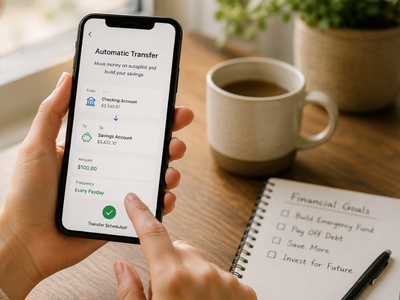
One of the easiest ways to make saving consistent is to stop relying on willpower.
Set up an automatic transfer from your checking account to your savings account each payday. When the money moves automatically, you’re less likely to spend it first and hope there’s something left over at the end of the month.
Start with an amount that fits your budget—even if it’s small. Once you’re comfortable with it, increase the amount when possible.
The goal is to make saving a normal part of your financial routine rather than something you remember to do when there’s extra money.
Build Your Fall Cushion
Fall brings its own set of expenses, and winter isn’t far behind.
Think ahead to expenses such as:
- Vehicle maintenance and repairs
- Heating and utility increases
- School and extracurricular expenses
- Holiday spending
- Insurance premiums
- Home maintenance
- Unexpected emergencies
An emergency fund isn’t meant to make you rich. It’s there to keep an unexpected expense from immediately becoming a credit card balance or personal loan.
If your emergency fund has been depleted during the year, rebuilding it should be a priority.
Look for Ways to Find Extra Money

If you haven’t already signed up for your free EveryDollar account through the Curry Construction SmartDollar benefit, now is a great time to start.
EveryDollar gives you a simple way to create your monthly budget, track your spending, and make sure your money has a plan before you spend it.
A budget isn’t about restricting your life. It’s about deciding where your money should go instead of wondering where it went.
Quick Builder’s Fall Savings Reset Checklist

- Review your current savings balance and year-to-date progress.
- Set a specific savings goal for the remainder of 2026.
- Look for hidden spending drains in your budget.
- Review grocery spending and compare prices.
- Consider a short no-spend challenge to reset spending habits.
- Set up an automatic savings transfer each payday.
- Rebuild your emergency fund if you’ve used it during the year.
- Start planning now for fall, winter, and holiday expenses.
- Look for realistic ways to create extra money for savings.
- Use EveryDollar to track your progress each month.
September gives you more than a change of season—it gives you a chance to change direction.
If your savings goals slipped during the summer, start again. If your budget has gotten loose, tighten it up. If your emergency fund needs rebuilding, make that the priority.
You don’t have to fix everything at once. Start with one change, make it automatic, and build from there.
With free SmartDollar and EveryDollar resources available to Curry Construction employees, you don’t have to figure it all out on your own. Take advantage of the tools, reset your savings goals, and build the financial cushion you want before the year comes to a close.
DATE POSTED
POSTED BY