Tag: 2026 September Newsletter

  • 2026 August | All Employee Meeting Recap

    ALL EMPLOYEE MEETING

    SEPTEMBER 2026

    On Tuesday, August 18, 2026, Curry Construction employees gathered for another Curry Connection Monthly All-Employee Meeting. The meeting brought together important operational updates, employee recognition, a warm welcome for new team members, and an in-depth safety presentation focused on one of construction’s most serious hazards: confined-space entry.

    Here’s a recap of what was discussed — and celebrated.


    The meeting kicked off with a grilled lunch prepared by Josh Harner, featuring hamburgers and brats. Lunch gave employees an opportunity to catch up with coworkers from across the company before getting into the afternoon’s updates and training.


    Beth Arndt welcomed employees and opened the meeting with a reminder of the importance of communication, teamwork, and continuing to look out for one another.


    We’re excited to welcome several new employees to the Curry Construction team:

    • Hunter Netterville – Laborer
    • Paige West – Pre-Construction & Project Integration Coordinator

    We’re glad to have Hunter and Paige on board and look forward to seeing the contributions they’ll make as they become part of the Curry team.


    One of the highlights of every All Employee Meeting is recognizing fellow employees through the Hard Hat Hotline. These peer nominations showcase the teamwork, dedication, and positive attitudes that make Curry Construction a great place to work.

    • Matt Haines Recognizes
      • Matt Recognizes his team at CAT for coming in on a weekend. They tackled a tough job outside the usual scope, finished ahead of schedule, and really went above and beyond. Great work!
        • Frank Hollgarth
        • Austin Rowe
        • Jason Haucktrimboli
        • Jeremiah Snyder
        • Josh Snyder
        • Gunnar Gottman
    • Beth Arndt Recognizes the Welding Crew
      • Beth recognized the Welding Team for stepping up and helping organize the previous month’s employee meeting. Their willingness to pitch in and take ownership helped make the meeting a success.
        • Robert Stewart
        • Austin Cummings
        • Avery Taylor
        • Quinn Taylor
    • Crew Recognition – Libman Emergency Response
      • A special recognition was given to the Libman team for going above and beyond following an electrical fire at Libman on July 27.
      • The situation required the team to respond quickly and work together under challenging circumstances. Their willingness to step up, adapt, and help the customer following an unexpected event demonstrated the type of commitment and teamwork that Curry Construction strives to provide on every project.
      • When something goes wrong, customers remember who shows up and gets to work. The Libman team demonstrated exactly that.

    If you see someone doing the job right — say it. Recognition reinforces the standard.


    Madison Stoltz provided an important update regarding Miter Punch and employee timecards.

    Moving forward, everyone should be clocking in and out using Miter.

    Accurate timekeeping is important for employees, supervisors, payroll, and project records. Employees should make sure they are using the system consistently and addressing any issues as soon as they occur.


    Matt Heuerman discussed scheduling questions and issues and reinforced an important communication expectation:

    Scheduling questions or issues should be directed to Operations.

    If there is a problem with your schedule, an assignment, or other scheduling-related information, communicate directly with Operations so the appropriate people can address it.

    Clear communication helps prevent confusion and keeps crews and projects moving.


    This month’s special guest speaker was Jim Pitzer, Loss Control Consultant with Gallagher Bassett.

    Jim delivered an outstanding presentation titled: Making the Right Choices at Work and Home

    The presentation focused on how everyday decisions impact safety—not only at work, but also with family and at home.

    • The featured safety presentation was led by Scott Shipley, who provided extensive training on Confined Space Safety & Authorized Entry.
    • Confined spaces can present hazards that aren’t immediately obvious, and the consequences of entering an unsafe space can be catastrophic. Approximately 90 fatalities per year were noted in connection with confined-space incidents.
    • The training covered the hazards, procedures, equipment, responsibilities, and emergency planning necessary to safely perform confined-space work.
    • ⚠️ What Is a Confined Space?
    • Employees reviewed the basic characteristics of a confined space, including:
    • What qualifies as a confined space
    • Common confined spaces encountered in construction
    • The difference between permit-required and non-permit-required confined spaces
    • Understanding the space before entering it is the first step toward controlling the hazards inside it.
    • 📋 Permit-Required Confined Spaces
    • The training covered the requirements surrounding permit-required spaces, including:
    • Permit Space Programs
    • Required elements of a Permit Space Program
    • Key roles and responsibilities
    • Authorized entrants
    • Entry equipment and hazards
    • Everyone involved in confined-space work needs to understand their role before entry begins.
    • 🧪 Atmospheric Hazards & Testing
    • Atmospheric conditions can change quickly inside a confined space. Employees reviewed:
    • Oxygen-deficient atmospheres
    • Oxygen-enriched atmospheres
    • Atmospheric testing
    • Proper testing order and acceptable ranges
    • Atmospheric testing equipment
    • The training reinforced the importance of knowing what is in the atmosphere before entering—and continuing to monitor conditions as required.
    • 🔒 Hazard Isolation & Ventilation
    • Two critical controls discussed were hazard isolation and ventilation.
    • Hazard isolation topics included:
    • Lockout/Tagout (LOTO)
    • Line breaking
    • Ventilation topics included:
    • Ventilation requirements
    • Proper ventilation equipment
    • Equipment used specifically for confined-space entry
    • Controlling the hazard before sending someone into the space is always preferable to dealing with the hazard after something goes wrong.
    • 📡 Gas Monitoring
    • Employees also reviewed the proper use and maintenance of gas monitors, including:
    • Gas monitoring equipment
    • Calibration
    • Bump testing
    • Monitoring equipment is only useful when it is properly maintained, tested, and used.
    • 🥽 PPE & Respiratory Protection
    • The training reviewed appropriate protection for confined-space work, including:
    • Personal protective equipment
    • Respiratory protection
    • Protection from atmospheric hazards
    • The correct PPE must be selected based on the hazards identified during the entry planning process.
    • 📞 Communication & Entry Permits
    • Communication is critical when an employee is working inside a confined space.
    • Topics included:
    • Communication systems and signals
    • Communication equipment
    • Entry permit requirements
    • Permit duration
    • Permit cancellation and renewal
    • Multi-employer coordination
    • Everyone involved in an entry needs to know what is happening, who is inside, and what to do if conditions change.
    • 🎓 Training & Retraining
    • Employees reviewed training requirements as well as circumstances that can trigger the need for retraining.
    • Confined-space safety isn’t a one-time conversation. Employees must remain qualified and understand the procedures associated with the work they are performing.
    • 🛟 Rescue & Emergency Procedures
    • One of the most important portions of the training focused on rescue planning.
    • Rescue options can include:
    • In-house rescue teams
    • Contracted rescue teams
    • Fire or police departments
    • The presentation also covered the use of a tripod retrieval system, including:
    • Why tripods are used
    • Tripod components
    • Proper tripod setup
    • Common setup mistakes
    • Attaching retrieval lines
    • Pre-entry checklists
    • Using the tripod during entry
    • Confined-space rescue and emergency procedures
    • The biggest takeaway: Rescue should be planned before entry—not figured out after an emergency occurs.
    • ☀️ Heat Management
    • With summer conditions continuing, heat management was also included as part of the safety discussion. Recognizing heat-related risks and taking appropriate precautions remains essential for employees working in and around confined spaces as well as on outdoor jobsites.


    Congratulations to this month’s winners!

    • Morgan’s Meat Market
      • Zach Aldridge
      • Mike Maher
    • Home Depot
      • Adam Waller
      • Madison Stoltz
    • Casey’s:
      • Brandon Riech
      • Josh Cummins
    • Rural King
      • Danny Brewer
    • Walmart
      • Amy Morris
    • Marshalls
      • Megan Campton
    • Paid Day Off Card:
      • Adam Seip
      • Hunter Netterville


    Beth Arndt closed the meeting by thanking everyone for their continued commitment to safety, teamwork, and supporting one another.

    August’s meeting reinforced an important principle: the safest job is the one that is planned before the work begins. Whether it’s entering a confined space, managing a schedule, accurately recording time, or responding to an unexpected customer need, preparation and communication make the difference.

    Thank you to everyone who continues to show up, speak up, and do the job right.

    As always, attendance is required to ensure everyone stays informed on important safety, operational, and company updates.

    📌 Reminder: Employees who have previously won a Paid Day Off Card as part of the All Employee Meeting Attendance Drawings remain ineligible to win another Paid Day Off Card for the remainder of the calendar year.

    📌 Attendance Prize Eligibility: To be eligible for Attendance Door Prize Drawings, employees must attend the meeting and sign the sign-in sheet.


    Thank you to everyone who attended and stayed engaged throughout the meeting. These sessions are where expectations are reinforced, safety is strengthened, and the entire company stays aligned.

    Keep an eye out for details regarding the September All Employee Meeting, which will take place on 9.29 and our First Aid/CPR/AED Class which will take place on 9.30

    As always, attendance is required to ensure everyone stays informed on safety protocols, company updates, and operational expectations.


    📌 Effective September 1, 2025, employees who have previously won a as part of the All Employee Meeting Attendance Drawings will be ineligible to win additional cards for the remainder of the calendar year.

    📌 Reminder: To be eligible for Attendance Door Prize Drawings, you must attend the meeting and sign the sign-in sheet.


  • 2026 September | Your Money Toolbox

    2026 September | Your Money Toolbox

    your money toolbox

    YOUR MONEY TOOLBOX

    SEPTEMBER 2026

    Refocus Your Finances Before the Year Gets Away

    Summer is winding down, and fall is a great time to take another look at your financial goals. Between vacations, summer activities, higher grocery bills, and everyday expenses, it’s easy for savings plans to lose momentum. But a temporary setback doesn’t mean you have to abandon the plan.

    September is the perfect opportunity to reset, identify where your money is going, and rebuild your savings habits before the final months of 2026 arrive. Through Curry Construction’s free Ramsey SmartDollar benefit, employees have access to practical tools, videos, and guidance to help make that reset easier.

    You don’t need a dramatic financial overhaul. A few intentional changes now can create a stronger financial cushion heading into fall and winter.


    If your savings account hasn’t grown as much as you hoped this year, start by looking forward—not beating yourself up over the past.

    Set a specific savings target for the rest of the year. Instead of simply saying, “I need to save more,” determine exactly how much you want to have saved by December 31 and work backward to calculate what you need to put away each month or paycheck.

    Even a modest amount adds up when you make it consistent.


    Sometimes the problem isn’t that you’re not saving enough—it’s that too much money is quietly leaving your budget.

    Take a close look at your everyday spending. Small purchases, convenience meals, unused subscriptions, impulse shopping, and unnecessary trips to the store can add up significantly over time.

    Groceries are a good place to start.

    🔗 Average Cost of Groceries

    🔗 ALDI vs. Walmart

    Compare what you’re spending with what you’ve budgeted. Look for opportunities to meal plan, shop with a list, compare prices, and reduce unnecessary purchases.

    You don’t have to eliminate everything you enjoy. The goal is to identify spending that isn’t adding much value and redirect some of that money toward your savings goals.


    If your budget needs more than a minor adjustment, consider giving yourself a temporary spending challenge.

    A no-spend challenge doesn’t mean literally spending nothing. It means cutting out unnecessary purchases while continuing to pay for essentials such as housing, utilities, groceries, transportation, and other required expenses.

    Even trying this for a week or a month can reveal just how much discretionary spending has been hiding in your normal routine.

    And if you need some motivation, turn saving into a game.

    🔗 100 Envelope Challenge

    The specific challenge matters less than the habit you’re building: find money, save it, and leave it alone.


    One of the easiest ways to make saving consistent is to stop relying on willpower.

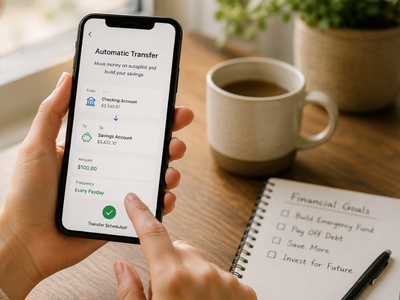
    Set up an automatic transfer from your checking account to your savings account each payday. When the money moves automatically, you’re less likely to spend it first and hope there’s something left over at the end of the month.

    🔗 How to Save Money Fast

    Start with an amount that fits your budget—even if it’s small. Once you’re comfortable with it, increase the amount when possible.

    The goal is to make saving a normal part of your financial routine rather than something you remember to do when there’s extra money.


    Fall brings its own set of expenses, and winter isn’t far behind.

    Think ahead to expenses such as:

    • Vehicle maintenance and repairs
    • Heating and utility increases
    • School and extracurricular expenses
    • Holiday spending
    • Insurance premiums
    • Home maintenance
    • Unexpected emergencies

    An emergency fund isn’t meant to make you rich. It’s there to keep an unexpected expense from immediately becoming a credit card balance or personal loan.

    If your emergency fund has been depleted during the year, rebuilding it should be a priority.


    If you haven’t already signed up for your free EveryDollar account through the Curry Construction SmartDollar benefit, now is a great time to start.

    EveryDollar gives you a simple way to create your monthly budget, track your spending, and make sure your money has a plan before you spend it.

    A budget isn’t about restricting your life. It’s about deciding where your money should go instead of wondering where it went.


    • Review your current savings balance and year-to-date progress.
    • Set a specific savings goal for the remainder of 2026.
    • Look for hidden spending drains in your budget.
    • Review grocery spending and compare prices.
    • Consider a short no-spend challenge to reset spending habits.
    • Set up an automatic savings transfer each payday.
    • Rebuild your emergency fund if you’ve used it during the year.
    • Start planning now for fall, winter, and holiday expenses.
    • Look for realistic ways to create extra money for savings.
    • Use EveryDollar to track your progress each month.

    September gives you more than a change of season—it gives you a chance to change direction.

    If your savings goals slipped during the summer, start again. If your budget has gotten loose, tighten it up. If your emergency fund needs rebuilding, make that the priority.

    You don’t have to fix everything at once. Start with one change, make it automatic, and build from there.

    With free SmartDollar and EveryDollar resources available to Curry Construction employees, you don’t have to figure it all out on your own. Take advantage of the tools, reset your savings goals, and build the financial cushion you want before the year comes to a close.


  • 2026 September | Wellness Workbench

    2026 September | Wellness Workbench

    WELLNESS WORKBENCH

    SEPTEMBER 2026

    September Focus: Self-Improvement Month

    Fall is a great time to reset. The busy summer season starts winding down, temperatures become more manageable, and routines become easier to establish. But healthy habits don’t happen by accident—they come from small choices repeated consistently. For construction workers balancing demanding jobs, family responsibilities, and everyday life, building a few dependable routines can improve energy, focus, and overall well-being. This September, take a look at the habits that keep you running at your best and find one or two areas where you can improve.


    A good routine doesn’t have to be complicated. The basics still matter most.

    • Start your day right: Give yourself enough time for breakfast, hydration, and getting prepared instead of rushing out the door.
    • Prioritize sleep: Consistent, quality sleep helps your body recover and keeps you alert on the job.
    • Eat balanced meals: Include protein, fruits and vegetables, whole grains, and healthy fats to keep your energy steady.
    • Keep moving: Construction is physical work, but stretching, walking, and regular exercise can help improve strength and mobility.


    The best goals are realistic enough to become habits.

    • Start small: Instead of trying to change everything at once, choose one habit to improve.
    • Be specific: “Walk for 20 minutes after work three days a week” is easier to follow than “exercise more.”
    • Track your progress: A calendar, phone reminder, or simple checklist can help keep you accountable.
    • Give yourself room to adjust: Missing one day doesn’t mean you’ve failed. Get back on track the next day.


    Schedules change, jobs get demanding, and unexpected things happen. The goal isn’t perfection—it’s consistency.

    • Plan ahead: Pack healthier meals, lay out work clothes, and prepare what you can the night before.
    • Use routines as reminders: Connect a new habit to something you already do, such as stretching after getting dressed for work.
    • Don’t let one setback derail you: One missed workout or unhealthy meal doesn’t erase your progress.
    • Keep your priorities in sight: Remember why you’re making the change—more energy, better health, or being there for the people who depend on you.


    You don’t have to make major changes to improve your health.

    Try:

    • Drinking more water throughout the day
    • Adding a serving of vegetables or fruit to a meal
    • Taking a short walk after dinner
    • Stretching for five minutes each morning
    • Going to bed 30 minutes earlier
    • Limiting sugary drinks and excessive snacks
    • Taking a few minutes each day to slow down and reset


    • Get consistent, quality sleep
    • Start the day with water and a balanced meal
    • Move or stretch every day
    • Set one realistic health goal
    • Plan ahead for busy days
    • Get back on track when you slip

    Bottom line: You don’t need to completely change your life to become healthier. The strongest routines are built one small decision at a time. Use September as an opportunity to reset, set realistic goals, and build habits you can maintain long after fall is over. Consistency—not perfection—is what keeps you stronger, healthier, and ready for whatever the next job brings.


  • 2026 September | Tech Toolbelt

    2026 September | Tech Toolbelt

    tech toolbelt

    TECH TOOLBELT

    SEPTEMBER 2026

    September Theme: National Preparedness Month

    We prepare for storms, power outages, equipment breakdowns, and other emergencies because being prepared is better than trying to recover after something goes wrong. Your digital life deserves the same approach. Phones, tablets, computers, and other devices can fail, get lost, become damaged, or fall victim to malware without warning. When that happens, a backup can be the difference between a minor inconvenience and losing important photos, documents, and information for good. This September, take a few minutes to make sure your important data has a safe place to go if your device doesn’t.


    Don’t wait until a device fails to discover that your important files weren’t saved anywhere else:

    • Back up important data regularly: Photos, contacts, documents, and other important files should exist somewhere besides your device.
    • Turn on automatic backups: Whenever possible, use your device’s built-in backup features so your data is protected without having to remember to do it manually.
    • Don’t rely on one device: If your phone, laptop, or tablet is lost or damaged, information stored only on that device may be gone.
    • Check that backups are actually working: A backup is only useful if the data can be recovered when you need it.


    Cloud storage can provide an extra layer of protection and make important files available when you need them:

    • Use approved storage for company files: Work-related documents should be saved in Curry Construction’s approved server folders and other authorized storage locations—not personal cloud accounts.
    • Keep personal files in a trusted cloud service: Services such as iCloud, Google Drive, or OneDrive can automatically back up or synchronize important personal information.
    • Protect your cloud account: Use a strong, unique password and enable two-factor authentication whenever available.
    • Don’t assume everything is automatically backed up: Syncing a file between devices is not always the same as having a separate backup. Know what your service protects and how recovery works.


    A backup doesn’t do much good if you don’t know how to use it:

    • Know where your backups are stored: Make sure you can access your backup account or storage location when needed.
    • Learn your device’s recovery options: Phones, tablets, and computers typically provide tools for restoring information from a previous backup.
    • Keep important files organized: A logical folder structure makes it easier to find and recover what you actually need.
    • Don’t wait for an emergency: Take a few minutes now to confirm your backups are current and accessible.


    • Back up important photos, documents, contacts, and other data
    • Turn on automatic backups when available
    • Store work files in approved Curry Construction locations
    • Protect cloud accounts with strong passwords and two-factor authentication
    • Confirm that backups are current and can be restored

    Bottom line: Preparedness isn’t just about having a plan—it’s about taking action before you need it. A broken, lost, or stolen device can happen without warning, but losing your data doesn’t have to. Back up your important information, use approved and secure storage, and know how to recover your files. Back it up before it breaks..


  • 2026 September | Safety Corner

    2026 September | Safety Corner

    SAFETY CORNER

    SEPTEMBER 2026

    September Theme: National Preparedness Month

    Emergencies rarely happen at a convenient time. Severe storms, power outages, flooding, tornadoes, and other disasters can disrupt daily life with little warning. Being prepared before something happens can make all the difference when roads are blocked, power is out, or normal communication is disrupted. This September, Curry Construction is encouraging employees and their families to take a few simple steps to be ready before an emergency strikes.


    When the power goes out or you need to leave home quickly, having the essentials already together can save time and reduce stress.

    • Stock the basics: Keep water, nonperishable food, flashlights, batteries, a first-aid kit, and necessary medications readily available.
    • Keep devices charged: Have backup power banks available for phones and other critical devices.
    • Include important supplies: Blankets, a battery-powered or hand-crank radio, basic tools, and personal hygiene items can be valuable during extended outages.
    • Check your kit regularly: Replace expired food, dead batteries, and outdated supplies so everything is ready when you need it.


    A plan made ahead of time is much easier to follow when things get chaotic.

    • Know where to go: Identify the safest locations in your home for tornadoes, severe storms, and other emergencies.
    • Choose a meeting place: Establish a location where family members can meet if you become separated.
    • Know how to contact each other: Make sure everyone has important phone numbers and knows who to call if local communication is disrupted.
    • Plan for pets: Include food, water, medications, and transportation plans for pets in your emergency preparations.


    The earlier you know about a developing emergency, the more time you have to act.

    • Enable emergency alerts: Make sure weather and emergency notifications are turned on for your phone.
    • Monitor reliable information: Use local emergency management agencies, weather services, and official alerts for updates.
    • Keep a weather radio available: It can provide critical information when the power or cellular service is unavailable.
    • Take warnings seriously: If authorities recommend sheltering or evacuation, don’t wait until conditions become dangerous.


    • Keep phones and backup power sources charged
    • Review emergency plans and meeting locations with your family
    • Enable emergency and severe weather alerts
    • Include pets and other family needs in your emergency plan
    • Know where to shelter and when to evacuate
    • Stock an emergency kit with food, water, lighting, first-aid supplies, and batteries