

TOOLBOX TALK FOR JUNE 26, 2026
sILICOSIS
Since the introduction of the new silica dust standard by OSHA, there has been a renewed focus on the effects of silica dust by employers; however, the adverse health effects of silica have been known for decades. It is important to understand what crystalline silica is, how workers are exposed to it, and the adverse health effects it can cause.
What is Silica and Where is it Found?
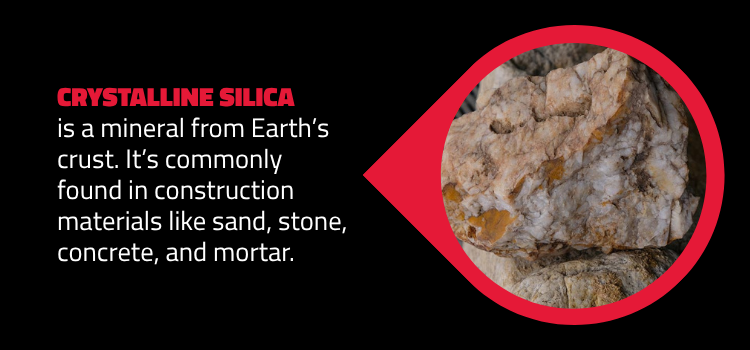
Crystalline silica is an important industrial material found abundantly in the earth’s crust. Quartz, the most common form of silica, is a component of sand, stone, rock, concrete, brick, block, and mortar. Materials containing quartz are found in a wide variety of workplaces.
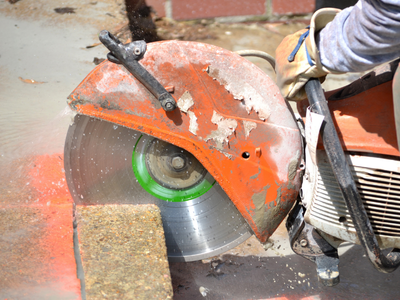
Common industries and operations where crystalline silica is found include construction, glass products, concrete products, foundries, cut stone products, railroad track maintenance, abrasive blasting, and many more. Occupational exposure to respirable crystalline silica occurs when cutting, sawing, drilling, and crushing of concrete, brick, ceramic tiles, rock, and stone products.
- Construction
- Glass Products
- Concrete Products
- Foundries
- Cut Stone Products
- Railroad Track Maintenance
- Abrasive Blasting
- And Many More
Occupational exposure to respirable crystalline silica occurs when cutting, sawing, drilling, and crushing of concrete, brick, ceramic tiles, rock, and stone products.
What is Silicosis?
Silicosis is a form of occupational lung disease caused by the inhalation of silica dust. The inhalation of this dust causes damage and scarring to the tissue in the lungs. OSHA lists the following adverse health effects from silicosis:
- lung cancer
- bronchitis
- chronic obstructive pulmonary disorder
- increased chance of tuberculosis
- possible renal disease.
They also list scleroderma, which is a disease affecting skin, blood vessels, joints, and skeletal muscles.
Symptoms of Silicosis
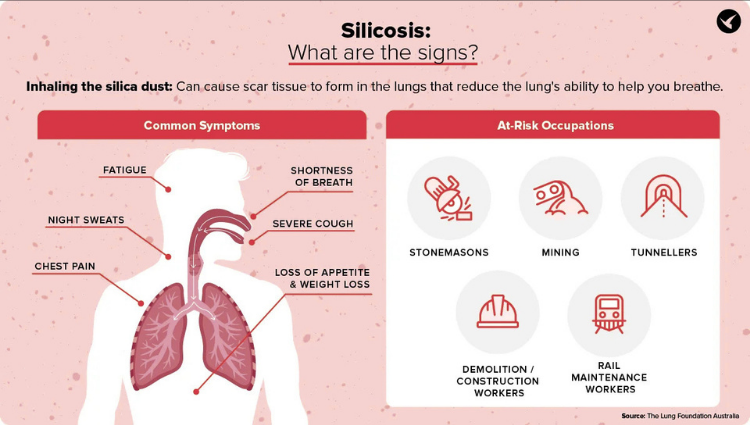
- Shortness of breath; possible fever.
- Fatigue; loss of appetite.
- Chest pain; dry, nonproductive cough.
- Respiratory failure, which may eventually lead to death.
Workers who are smokers have a higher chance of experiencing the adverse health effects of silica if exposed compared to someone who is a non-smoker.
Best Practices in Reducing Exposure to Silica Dust
- Use wet methods when cutting or breaking any concrete or similar materials.
- Use water as a means of suppression for the dust on roadways or in work areas.
- Stay out of areas where silica dust levels are high, as well as avoid being downwind from these areas.
- Eliminate the source of the dust, whether that is through engineering controls or a change in work processes.
- Use collection or vacuum systems to collect dust at the point of operation to avoid suspending the dust in the air.
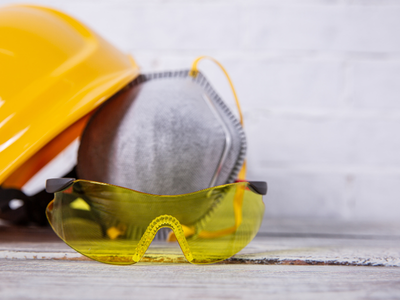
- Use proper respirators when engineering controls are not enough to protect you.
Discussion points

- What tasks at our worksite are we at risk for exposure to silica?
- What are the safeguards to preventing exposure to silica dust?

DATE POSTED
POSTED BY
CATEGORY