

TECH TOOLBELT
APRIL 2026

Spot the Scam: Don’t Get Burned Online
Our April Theme: National Work Zone Awareness Week – Stay Alert On & Off the Job
On the jobsite, staying alert keeps you and your crew safe. Online, the same awareness can keep you from getting burned. Scammers are getting smarter—using texts, calls, emails, and fake job offers to trick people into handing over money or personal information. Just like in a work zone, one wrong move can lead to serious consequences. This April, take a minute to sharpen your awareness and know what to look for before you click, answer, or respond.
Identify Scam Texts and Calls
If something feels off, it usually is:
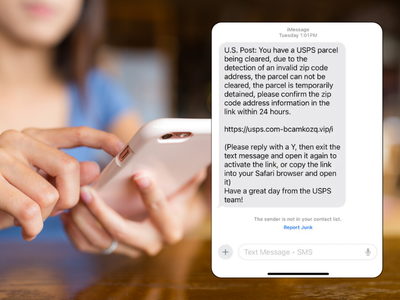
- Watch for urgency: Messages claiming “act now” or “your account will be locked” are designed to pressure you.
- Unknown numbers or odd emails: Especially ones asking for personal or financial information.
- Too good to be true offers: Prizes, refunds, or deals you didn’t sign up for.
- Robocalls or spoofed numbers: Even if it looks local, don’t trust it without verifying.
Watch Out for Suspicious Offers and Other Links
Scammers know people are always looking for opportunities—they go after anyone willing to click without thinking:

- Don’t fall for the “too good to be true” messages: Winning a free tropical paradise trip, gift cards, or prizes you never entered for is a common trap.
- Be cautious of unsolicited job offers via text message: Especially ones promising high pay for little work or asking you to “apply” through a link.
- Avoid clicking unknown or unexpected links: Whether it’s a text or email, these can install malware or steal your information
- Verify before you trust: Look up companies, promotions, or offers directly—don’t rely on the message you received.
- Watch for sloppy details: Poor grammar, strange formatting, or generic messaging are clear warning signs.
Stop and Think Before You Click
A few seconds of caution can save a lot of trouble:

- Hover over links (on computers): See where they actually lead before clicking.
- Go directly to trusted websites: Instead of using links sent to you.
- Don’t download unexpected attachments: Especially from unknown senders.
- When in doubt, verify: Call or contact the source using a known, trusted method.
Quick Builder’s Scam Awareness Checklist

- Question urgent or unexpected messages
- Avoid clicking unknown links or attachments
- Verify sources, or access through known channels
- Never share personal or financial information without confirming legitimacy
Bottom line: The same mindset that keeps you safe in a work zone applies online—stay alert, follow proven practices, and don’t rush decisions. One careless click can cause real damage. Take the extra second, check your surroundings, and don’t get burned.
DATE POSTED
POSTED BY