

WELLNESS WORKBENCH
APRIL 2026

Stress Awareness: Finding Balance in Busy Times
April Focus: National Stress Awareness Month
Spring brings longer days—and for construction, that usually means a faster pace, tighter schedules, and more pressure to get things done. A certain amount of stress comes with the job, but too much of it leads to mistakes, fatigue, and burnout. April is National Stress Awareness Month, a good reminder that managing stress isn’t optional—it’s part of staying safe, productive, and healthy on and off the job.
Managing Job Stress in the Real World
You can’t eliminate stress, but you can control how you handle it.
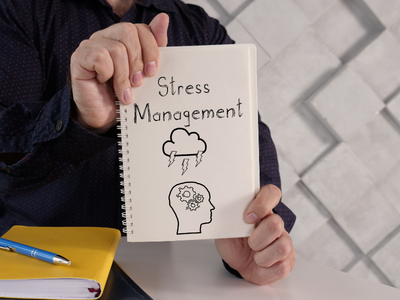
- Focus on what you can control: Weather, schedules, and other people aren’t always in your hands—your response is.
- Break tasks down: Big jobs feel overwhelming; smaller steps keep things manageable.
- Communicate early: Speak up about issues before they turn into bigger problems.
- Take short resets: Even a couple minutes to step away can clear your head and prevent costly mistakes.
Simple Breathing Techniques That Work
When stress spikes, your breathing is the fastest way to get it under control.

- Box breathing: Inhale for 4 seconds, hold for 4, exhale for 4, hold for 4—repeat a few times.
- Slow it down: Deep, steady breaths lower heart rate and calm your body.
- Use it anywhere: In the truck, on a break, or before a tough task—no equipment needed.
- Stay consistent: It works best when you make it a habit, not just in high-stress moments.
Work/Life Balance—Keep It Practical
Balance doesn’t mean perfect—it means sustainable.
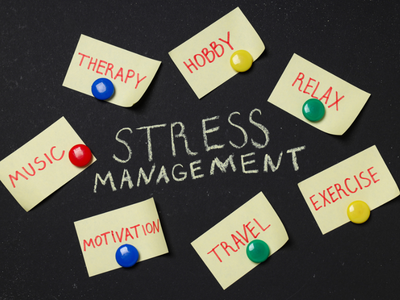
- Set a cutoff time: When the workday ends, let it end when possible.
- Make time for home life: Family, hobbies, and downtime aren’t extras—they’re necessary.
- Protect your sleep: Long hours don’t mean cutting corners on rest.
- Don’t carry everything alone: Talk things out with family, coworkers, or someone you trust.
Warning Signs You Shouldn’t Ignore
Too much stress shows up whether you like it or not.

- Constant fatigue or trouble sleeping
- Short temper or irritability
- Trouble focusing or making decisions
- Headaches, muscle tension, or feeling run down
If these stick around, it’s time to make changes or talk to a doctor.
Quick Builder’s Nutrition Checklist

- Take short breaks to reset during the day
- Use simple breathing techniques to stay calm
- Focus on one task at a time
- Set boundaries between work and home
- Get enough sleep to recover
Bottom Line: Stress is part of the job—but letting it run unchecked is where problems start. Staying in control of your stress keeps you sharper, safer, and more reliable. Build habits that help you handle the pressure now, and you’ll hold up better through the busiest times—on the job and at home.
DATE POSTED
POSTED BY