
SAFETY CORNER
MARCH 2026
LADDER & LIFT SAFETY—wORKING AT HEIGHTS
March Theme: Spring Safety Refresher
As projects ramp up with the warmer weather, so does the amount of work performed off the ground. Ladders and lifts are part of the job—but falls remain one of the leading causes of serious injuries in construction. Most of them trace back to the same issues: poor setup, skipped tie-offs, and rushing the task. Spring is the right time to reset expectations and recommit to doing it the safe way—every time.
PROPER LADDER SETUP
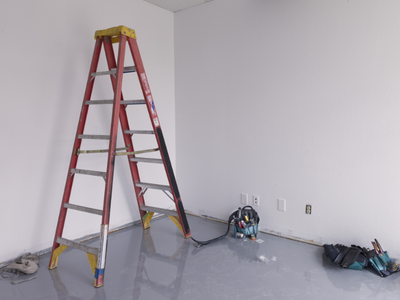
A ladder is only as safe as the way it’s set up.
- Choose the right ladder for the job: Height rating and weight capacity matter. Don’t make do with what’s nearby.
- Inspect before use: Check rails, rungs, feet, and locks. If it’s cracked, bent, or loose—tag it out.
- Set extension ladders correctly: Follow the 4-to-1 rule (1 foot out for every 4 feet up).
- Secure the ladder: Tie off at the top when possible and ensure stable footing at the base. If unable to secure ladder above, a second person must be present to secure the ladder at the bottom.
- Maintain three points of contact: Two hands, and one foot—or two feet and one hand—at all times.
LIFT AND HARNESS BASICS
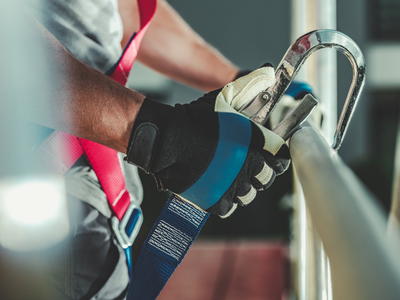
- Wear fall protection: A properly fitted harness connected to an approved anchor point is not optional. A Fall Protection Harness must be on any individual, who is working at height, and properly secured before entering lift equipment and remain on until they have fully exited the equipment at the completion of the task.
- Inspect harnesses and lanyards: Look for fraying, cuts, damaged stitching, or worn hardware before every use.
- Stay inside the guardrails: Don’t climb on rails or use planks to gain extra height.
- Position the lift on stable ground: Uneven or soft surfaces increase tip-over risk.
Avoiding falls: no shortcuts
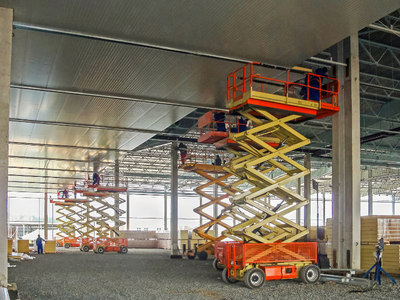
Falls happen fast—and usually when someone thinks, “This will just take a second.”
- Don’t overreach: Climb down and move the ladder or reposition the lift.
- Keep work areas clear: Tools and materials at the base of ladders create trip hazards.
- Wear proper footwear: Good traction reduces slips on rungs and platforms.
- Take your time: Most fall incidents involve rushing or complacency.
Quick Builder’s SPRING Safety Checklist

- Inspect ladders, lifts, and fall protection before use
- Set ladders correctly and secure them properly
- Wear and connect harnesses when working at heights
- Never rush elevated work—reposition instead of overreaching
Bottom line: Gravity hasn’t changed, and neither have the fundamentals. The safest crews are the ones who stick to the basics—proper setup, proper tie-off, and no shortcuts. As we move into spring, reset your focus and work at heights the right way. One safe decision at a time.
DATE POSTED
POSTED BY
CATEGORY