Tag: Health & Wellness

  • 2025 December | Wellness Workbench

    WELLNESS WORKBENCH

    DECEMBER 2025

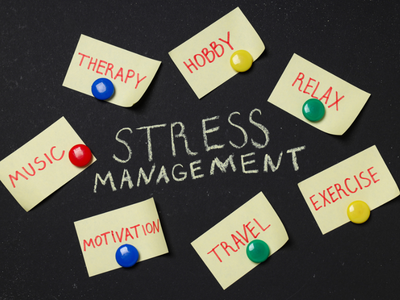
    Stress Less: Mental Health Tips for the Holidays

    The holiday season can be full of joy—but it can also bring stress, pressure, and tough emotions. For construction workers balancing long hours, family expectations, and cold winter days, the season sometimes feels more draining than uplifting.

    This December, we’re shining a light on ways to manage holiday stress, cope with loneliness or grief, and find support when you need it.


    It’s easy to get overwhelmed trying to do it all. Remember: your time, energy, and money are limited—don’t stretch yourself too thin.

    • Set realistic expectations: Focus on what really matters to you and your family, not on “perfect” holidays.
    • Plan Breaks: Even five minutes of quiet can lower stress. Take a walk, listen to music, or just breathe.
    • Stick to routines when possible: Regular sleep, meals, and movement keep your body and mind balanced.
    • Say no when needed: It’s okay to skip an event or scale back plans to protect your well-being.


    The holidays can be especially hard if you’re missing loved ones or spending the season apart from family.

    • Acknowledge your feelings: It’s okay to feel sad, lonely, or overwhelmed.
    • Reach out: Call a friend, coworker, or family member. Even a quick check-in can help you feel connected.
    • Honor traditions—or create new ones: Light a candle, share a memory, or start a new tradition that feels meaningful.
    • Give back: Volunteering or helping others can ease loneliness and bring a sense of purpose.


    Shorter days and less sunlight can trigger Seasonal Affective Disorder—a type of depression that happens in the winter.

    • Signs Include:
      • Low energy or constant fatigue
      • Difficulty concentrating
      • Loss of interest in activities
      • Change in sleep or appetite
    • Who is at risk:
      • Gender: women experience symptoms more often than men
      • Location: Living farther from the equator, where winter days are shorter
      • Genetics & biology: A personal or family history of depression or bipolar disorder, as well as traits like light skin, blue or light-colored eyes, or sensitivity to changes in sunlight
      • Age: Younger adults are more commonly affected.
    • What helps:
      • Get sunlight when possible—take breaks outdoors, even in the cold.
      • Stay active—movement boosts mood and energy
      • Talk to your doctor if symptoms persist—treatments like light therapy or counseling can make a big difference


    You don’t have to carry holiday stress alone.

    • Talk to your doctor: Share how you’re feeling, physically and mentally.
    • Lean on your crew: Coworkers and friends can provide support and perspective
    • Hotlines:
      • 988 Suicide & Crisis Lifeline – Available 24/7 if you’re in crisis or need to talk.
      • SAMHSA Helpline (1-800-662-4357) – Free, confidential treatment referral and support.


    • Take small breaks to reset during the day
    • Stay active—even a 10-minute walk helps
    • Keep realistic expectations for the holiday
    • Reach out if you’re feeling down or overwhelmed

    Bottom Line: The holidays aren’t about perfection—they’re about connection and balance. Taking small steps to manage stress and care for your mental health will help you finish the year stronger, safer, and healthier—on the job and at home.


  • 2025 November | Wellness Workbench

    2025 November | Wellness Workbench

    WELLNESS WORKBENCH

    NOVEMBER 2025

    As the holidays roll in, it’s easy to trade hard hats for heavy plates and healthy routines for hibernation. Cold weather, big meals, and busy schedules can make it harder to stay on track—but small choices now can keep your energy up, your body strong, and your health protected.

    This November, we’re focusing on smart eating, staying active, and watching for early signs of blood sugar issues—because staying healthy is just as important as staying safe on the job.


    The holidays should be enjoyed, not endured. You don’t have to skip your favorite foods—just balance them wisely.

    • Fill half your plate with veggies: Salads, green beans, or roasted vegetables keep you satisfied without overloading on starch.
    • Choose lean proteins: Turkey, chicken, or fish give lasting energy without weighing you down.
    • Watch portion sizes: Instead of piling on everything, start small—you can always go back for seconds.
    • Limit liquid sugar: Soda, sweet tea, and eggnog add up fast. Water or unsweetened tea keeps you hydrated and balanced.


    Construction keeps you moving, but winter weather and shorter days can slow you down. Movement doesn’t have to be complicated—just consistent.

    • Take short walks: Even 10 minutes after meals helps manage blood sugar and digestion.
    • Stretch daily: Cold muscles tighten faster; stretching keeps you flexible and reduces injury risk.
    • Find indoor options: Bodyweight exercises (push-ups, squats, planks) can be done in minutes at home—no equipment needed.
    • Bundle up and keep moving: Proper clothing makes outdoor activity comfortable even on chilly days.


    Diabetes is more common than many realize—especially in hardworking industries like construction, where long hours and quick meals are the norm. Knowing the signs helps you take action early

    • Frequent thirst or urination
    • Feeling unusually tired
    • Blurry vision
    • Slow-healing cuts or frequent infections
    • Numbness or tingling in hands and feet

    If you notice these symptoms, don’t wait—schedule a checkup. Early detection can prevent bigger problems later.


    • Enjoy holiday meals, but balance with veggies, protein, and water.
    • Keep moving—even short walks and stretches add up.
    • Watch for early warning signs of blood sugar problems.
    • Schedule a check-up if something feels off.

    Bottom Line: The holidays should be a time of celebration, not setbacks. By making smart choices now, you’ll head into the new year with strength, energy, and a solid foundation for good health—on the job and at home.


  • 2025 October | Wellness Workbench

    WELLNESS WORKBENCH

    OCTOBER 2025

    In construction, we know the importance of inspections—checking equipment, reviewing safety protocols, and ensuring a strong foundation before getting to work. Your health deserves the same attention. This October, during National Health Education Week, Curry Construction is spotlighting men’s health and the power of prevention.


    Why Regular Checkups Matter


    Many health issues—like high blood pressure, diabetes, or even certain cancers—don’t show obvious symptoms until they’re advanced. Regular checkups and screenings help catch problems early, when they’re easier to treat.

    • Annual physicals give your doctor a baseline of your overall health.
    • Screenings (cholesterol, blood pressure, prostate, colon, etc.) can prevent long-term issues.
    • Immunizations (like flu and tetanus shots) keep you strong on the job.

    Think of it as routine maintenance for your body—the better you take care of it, the longer it lasts.


    Spotlight on Physical Health


    Construction takes a toll on the body. Protecting your health means being proactive.

    • Heart health: Know your numbers—blood pressure, cholesterol, and blood sugar.
    • Joint and Muscle Care: Report nagging pain before it turns into an injury.
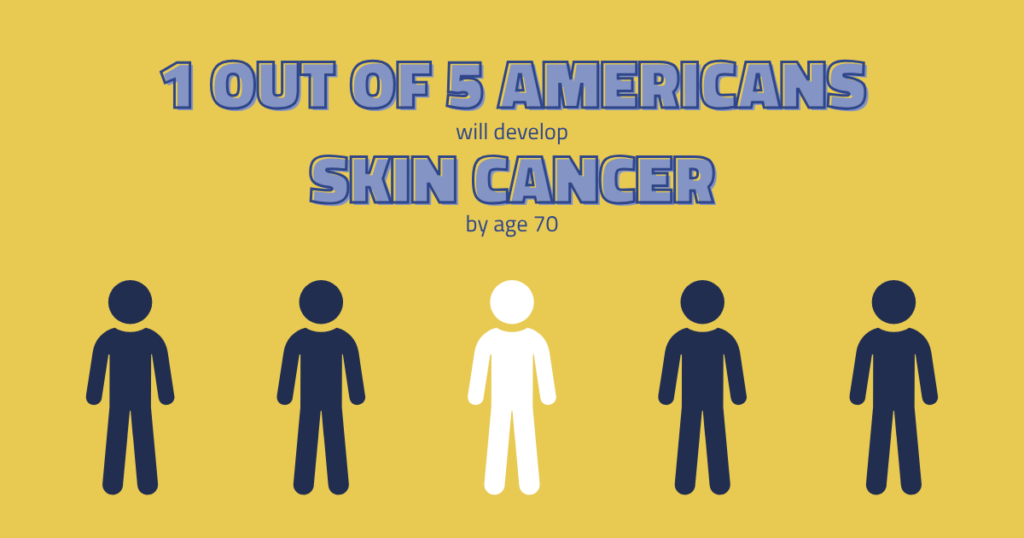
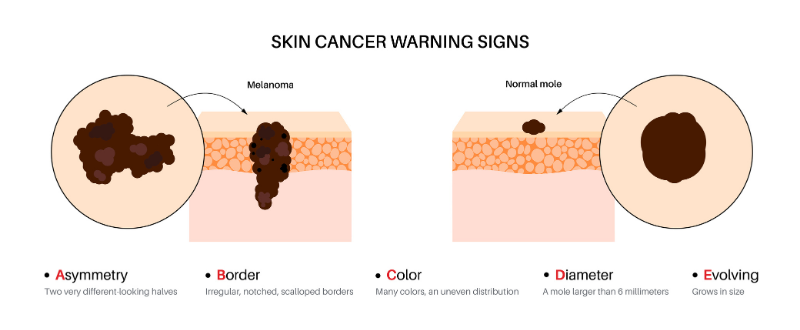
    • Cancer Screenings: Talk to your doctor about when to start prostate or colon checks (often recommended starting in your 40s or 50s, depending on family history). And make sure your are getting regular skin checks to screen for skin cancer.

    Don’t Overlook Mental Health


    Just as important as physical health is what’s happening in your head. Stress, long hours, and physical strain can weigh heavily on construction workers.

    • Check in with yourself: Feeling constantly irritable, exhausted, or detached may be signs of stress or depression.
    • Reach out: Talking to a friend, coworker, or professional can make a big difference.
    • Break the stigma: Seeking help isn’t weakness—it’s building resilience.

    How to Talk to Your Doctor


    Many men put off care because they’re unsure how to bring things up—or worried they’ll waste the doctor’s time. Here are a few ways to advocate for yourself:

    • Prepare ahead: Write down symptoms, questions, or health concerns before your appointment.
    • Be honest: Don’t downplay pain, stress, or habits. Doctors need the full picture to help.
    • Ask questions: If you don’t understand something, ask your doctor to explain in plain terms.
    • Follow up: Schedule your next appointment before you leave to stay consistent.

    Quick Builder’s Blueprint for Health


    • Schedule your annual physical.
    • Ask about screenings appropriate for your age and family history, including skin checks.
    • Pay attention to mental health as much as physical health.
    • Don’t wait—small issues today can prevent bigger problems tomorrow.

    Remember: On the job, skipping an inspection can put everyone at risk. In life, skipping your own health check can do the same. This October, take the time to invest in yourself—because your health is the foundation everything else is built on.


  • 2025 September | Wellness Workbench

    WELLNESS WORKBENCH

    SEPTEMBER 2025

    Construction is demanding work. Long hours, physical labor, and unpredictable schedules can make it tough to prioritize health. But building a strong routine—just like building a solid foundation—pays off in strength, energy, and resilience on and off the job. This September, we’re going “back to basics” with simple ways to create balanced daily routines that work, even with a busy construction lifestyle.


    Fuel Your Body Right


    • Start with breakfast: A quick, balanced option like eggs, oatmeal, or yogurt with fruit can keep your energy steady through the morning.
    • Pack smart: Instead of fast food, bring snacks like nuts, beef jerky, fruit, or granola bars for easy fuel during the day.
    • Stay hydrated: Water keeps your body and mind sharp. Aim for steady sips throughout the day, especially while working outdoors.

    Move With Purpose


    Construction keeps you active, but adding targeted movement helps prevent injuries and builds long-term strength.

    • Stretch before work: Five minutes of light stretching can loosen tight muscles and reduce strain.
    • Add short walks: Even a 10-minute walk during lunch helps circulation and clears your head.
    • Strengthen your core: Simple exercises like planks or squats a few times a week can protect your back and joints.

    Prioritize Sleep


    Recovery is as important as hard work.

    • Aim for 7–9 hours: Quality sleep restores your body after long shifts.
    • Stick to a schedule: Try to go to bed and wake up around the same time, even on weekends.
    • Cut back on screens: Powering down your phone or TV before bed helps you fall asleep faster.

    Set Realistic Goals


    Small, steady changes stick better than big, overwhelming ones.

    • Pick one habit at a time: Whether it’s drinking more water, adding an extra hour of sleep, or cutting down on soda, focus on one goal until it becomes routine.
    • Track your progress: Jotting down wins—like how many nights you hit your sleep goal—keeps motivation high.
    • Be flexible: Some days will be harder than others. What matters most is consistency, not perfection.

    Tips for Staying Consistent on the Job


    • Prep meals and snacks the night before to avoid grabbing unhealthy options.
    • Keep a refillable water bottle in your vehicle or toolbox.
    • Use your breaks to stretch, breathe, or walk instead of scrolling on your phone.
    • Partner with a coworker—accountability makes sticking to goals easier.

    Remember: Just like every building project starts with a strong foundation, your health does too. Small daily choices in nutrition, movement, and rest can make a big difference over time. This Self-Improvement Month, challenge yourself to build routines that keep you strong, energized, and ready for whatever the workday brings.


  • 2025 August | Wellness Workbench

    WELLNESS WORKBENCH

    AUGUST 2025

    National Wellness Month, celebrated in August, promotes overall well-being by encouraging focus on physical, mental, emotional, and social health. Suggested activities include exercising, eating healthily, managing stress, connecting with others, taking social media breaks, practicing mindfulness, and prioritizing sleep.


    Wellness is…


    • Caring for your mind, body, and soul.
    • Affected by your culture and life experiences.
    • Self-defined and dynamic.
    • Not only the absence of illness or stress.  You can strive for wellness even if you are experiencing these challenges in life.

    Eight Dimensions of Wellness


    Emotional Wellness

    Emotional wellness involves developing an awareness of your emotions and how you respond to daily interactions. This self-awareness helps you understand the reasons behind your feelings and empowers you to manage them in a healthy, intentional way.

    Ways to Support Your Emotional Wellness:

    • Take time for yourself. Quiet your mind, reflect, and allow space to recharge.
    • Smile and laugh. Sometimes, humor truly is the best medicine—it helps reduce stress and offers a healthier perspective on life’s challenges.
    • Seek and accept support. Don’t hesitate to reach out for help or lean on others when needed. We all need support sometimes.
    • Share openly. Talk about your thoughts and feelings with someone you trust—and be sure to listen to others as well.
    • Practice gratitude. Acknowledging what you’re thankful for can shift your mindset and improve emotional balance.
    • Learn from mistakes. Everyone slips up. The key is to accept those moments, reflect, and grow from them.
    • Care for your body. Your mental and physical health are deeply connected. Prioritize healthy eating, movement, and restful sleep.
    • Be kind to yourself. Treat yourself with the same compassion you’d offer a friend.

    Occupational Wellness

    Occupational wellness encourages you to explore different career paths and pursue opportunities that align with your passions and values. This dimension of well-being emphasizes the importance of finding satisfaction, enrichment, and meaning through your work—whether in a paid job, volunteer role, or personal project.

    Ways to Foster Occupational Wellness:

    • Reflect regularly. Consider where you find joy, purpose, and meaning in your daily life and work.
    • Keep an open mind. Stay curious and willing to explore new possibilities, even if they’re outside your current path.
    • Use available resources. Take advantage of career services, mentorship programs, and job placement tools.
    • Explore opportunities. Engage in internships, volunteering, or part-time work to discover what energizes you.
    • Communicate effectively. Practice open dialogue and healthy conflict resolution with coworkers and supervisors.
    • Set realistic goals. Establish meaningful career objectives and create a plan to achieve them at your own pace.

    Intellectual Wellness

    Intellectual wellness encourages curiosity, creativity, and a lifelong love of learning. It involves engaging in mentally stimulating activities that expand your knowledge, challenge your thinking, and foster personal growth. Intellectual wellness can be nurtured through academics, cultural exploration, community involvement, and personal hobbies—all of which enrich your perspective and allow you to share your skills and knowledge with others.

    Ways to Foster Intellectual Wellness

    • Be open-minded. Stay receptive to new ideas, perspectives, and experiences.
    • Practice active listening. Focus fully on understanding others—it’s a powerful way to learn and grow.
    • Pick up a hobby. Hobbies are not only enjoyable but also a great way to learn new skills.
    • Study abroad or travel. Immersing yourself in different cultures broadens your worldview and deepens your understanding.
    • Take a class outside your major. Exploring subjects outside your usual focus can spark new interests and insights.
    • Read for pleasure. Whether fiction or nonfiction, reading stimulates your mind and encourages reflection.
    • Attend seminars or conferences. Discover new topics, hear expert insights, and engage with fresh ideas.
    • Learn a new language. Language learning enhances cognitive function and opens up new cultural experiences.
    • Participate in research opportunities. Dive deeper into subjects that interest you and contribute to the broader knowledge base.

    Environmental Wellness

    Environmental wellness involves living in harmony with the Earth by recognizing our responsibility to protect and sustain the natural world. It emphasizes the relationship between ourselves, our communities, and the environment. At its core, environmental wellness is rooted in respect—for nature, for other species, and for the shared spaces we all inhabit.

    Ways to Foster Environmental Wellness

    • Pick up litter. Help keep your community clean and safe for everyone.
    • Spend time outdoors. Connecting with nature can reduce stress and deepen your appreciation for the environment.
    • Bike or walk when possible. Choosing alternative transportation reduces your carbon footprint and supports your physical wellness.
    • Use reusable items. Carry a refillable water bottle and reusable bags to minimize single-use waste.
    • Conserve water. Be mindful of how much water you use in daily activities like showering or washing dishes.
    • Recycle. Properly dispose of materials to reduce landfill waste and support sustainability.
    • Visit a farmer’s market. Support local agriculture and reduce the environmental impact of long-distance food transportation.
    • Turn off lights and electronics. Save energy by powering down when you’re not using them.
    • Unplug from technology. Take breaks from screens to reconnect with the natural world.
    • Donate unused clothing. Give your items a second life instead of sending them to a landfill.

    Financial Wellness

    Financial wellness is the process of learning how to effectively manage your financial resources. Because money plays a significant role in your life, your financial habits can directly impact your stress levels, physical health, and even academic or professional performance. Building financial wellness means developing a balanced approach to budgeting, spending, and planning for both short- and long-term goals.

    Ways to Foster Financial Wellness

    • Start small. Simple changes—like making your own coffee instead of buying it—can add up over time.
    • Use available resources. Look into programs like CalFresh and student discounts to help stretch your budget.
    • Understand your student loans. Know your repayment options, interest rates, and long-term impact.
    • Open a savings account. Even small automatic monthly deposits can help you build financial security.
    • Be proactive. Identify potential financial challenges early and take steps to manage them before they grow.
    • Plan ahead. Set realistic budget goals and track your progress.
    • Track your spending. Review your bank statements or write down everything you purchase for a week.
    • Make shopping lists. Avoid impulse buys by planning your purchases ahead of time.
    • Pause before you buy. Ask yourself, “Do I really need this?” before making unplanned purchases.

    Physical Wellness

    Physical wellness is the ability to maintain a healthy quality of life that allows you to engage fully in daily activities without excessive fatigue or physical stress. It recognizes that your daily choices and behaviors—such as exercise, nutrition, sleep, and preventive care—play a vital role in your overall health and well-being.

    Ways to Foster Physical Wellness

    • Move your body regularly. Aim for at least 30 minutes of physical activity each day. You can break it up into smaller sessions, like three 10-minute walks.
    • Take the stairs. When possible, choose the stairs over the elevator or escalator for a quick and easy way to stay active.
    • Listen to your body. Learn to recognize early signs of illness or fatigue so you can respond with rest or medical care.
    • Eat foods that make you feel good. Choose nourishing meals that support your energy, focus, and mood.
    • Prioritize sleep. Maintain a consistent sleep schedule and aim for 7–9 hours of rest each night.

    Social Wellness

    Social wellness involves building and maintaining healthy, supportive, and meaningful relationships with individuals, groups, and communities. It emphasizes the importance of communication, trust, mutual respect, and conflict management. Social wellness also encourages an appreciation of diversity and a respect for both yourself and others, including people from different cultures and backgrounds.

    Ways to Foster Social Wellness

    • Reflect on your social needs. Consider which aspects of your social life you enjoy and where you’d like to grow.
    • Stay connected. Make an effort to maintain relationships with supportive friends, family, and mentors.
    • Engage in conversations. Participate in group discussions and practice active listening to build deeper connections.
    • Join a club or organization. Find a group that shares your interests or values to expand your social network.
    • Participate in study groups. Collaborating academically can foster both learning and connection.
    • Volunteer in your community. Giving back is a powerful way to meet new people and contribute to a sense of belonging.

    Spiritual Wellness

    Spiritual wellness helps us connect with our inner selves, allowing us to find meaning in life’s events and define our individual purpose. It often arises from beliefs, faith, values, ethics, or moral principles that provide guidance and direction. Nurturing a healthy spirit builds resilience and prepares us to face life’s challenges with strength.

    Ways to Foster Spiritual Wellness

    • Exploring your inner self. Take time to reflect on who you are and what truly matters to you.
    • Meditating or practicing mindful relaxation. Quiet your mind and focus on the present moment.
    • Practicing acceptance. Learn to accept life’s uncertainties with openness and peace.
    • Being curious. If something sparks your curiosity, pause and explore it more deeply.
    • Seeking a religious faith or philosophy that aligns with your values. This can offer a sense of purpose and belonging.
    • Traveling and experiencing other cultures. Embrace new perspectives to expand your understanding and spiritual growth.

  • 2025 July | Wellness Workbench

    WELLNESS WORKBENCH

    JULY 2025

    At Curry Construction, we’re committed not just to building strong communities—but to supporting a strong, healthy team. That’s why we’re excited to spotlight a valuable employee benefit available through our partnership with the Mattoon Area Family YMCA: the YMCA Corporate Wellness Program.

    Through this program, Curry Construction employees gain exclusive access to fitness and wellness perks designed to help you feel your best—on the job and off.


    What’s Included in Your YMCA Corporate Wellness Benefit?


    As a Curry Construction employee, you can take advantage of the following:

    • 10% Off Monthly YMCA Membership
      • Enjoy full access to the Mattoon YMCA facility and the Toledo YMCA facility with a 10% discount on membership dues—whether you’re signing up solo or with the whole family.
    • Reduced Rates on Programs & Classes
      • From swim lessons to youth sports, personal training to specialized wellness programs, you’ll receive discounted rates on a wide variety of YMCA offerings.
    • Access to Group Fitness Classes
      • Whether you’re into strength training, cycling, water aerobics, yoga, or Zumba, there’s something for everyone. Group classes are included with your membership and led by certified instructors who make wellness fun and accessible.
    • Expert Wellness Support
      • Need help getting started? The YMCA’s wellness team can help you set goals, create a plan, and stay motivated with free wellness consultations, orientations, and ongoing support.

    Who is eligible


    This benefit is available to all Curry Construction employees, and in many cases, family members can be included on your membership plan. Reach out to the Mattoon YMCA for details on household options and how to apply your Curry Construction discount.

    How To Get Started

    1. Visit the Mattoon Area Family YMCA at 221 N 16th Street, Mattoon, IL.
    2. Tell them you’re a Curry Construction employee and ask about the Corporate Wellness Program.
    3. Provide proof of employment (e.g., employee badge or pay stub).
    4. Choose the membership that works best for you—and start enjoying the perks right away!

    Questions?


    If you have questions about this benefit or need help getting started, feel free to reach out to the Amber Seip or contact the Mattoon YMCA directly at (217) 234-9494.


    Your Health Matters to Us


    At Curry Construction, we know that a strong foundation begins with healthy people. Whether you’re looking to boost energy, manage stress, or simply feel better day to day, the YMCA Corporate Wellness Program is a great place to start.


    Take advantage of this benefit today—and build a healthier tomorrow.